Everything we research, compare, and recommend
Organized by what you're actually shopping for — each product family comes with the reviews, comparisons and buying guides that belong to it.
Complete kits, not single products
 GuideIllustrative
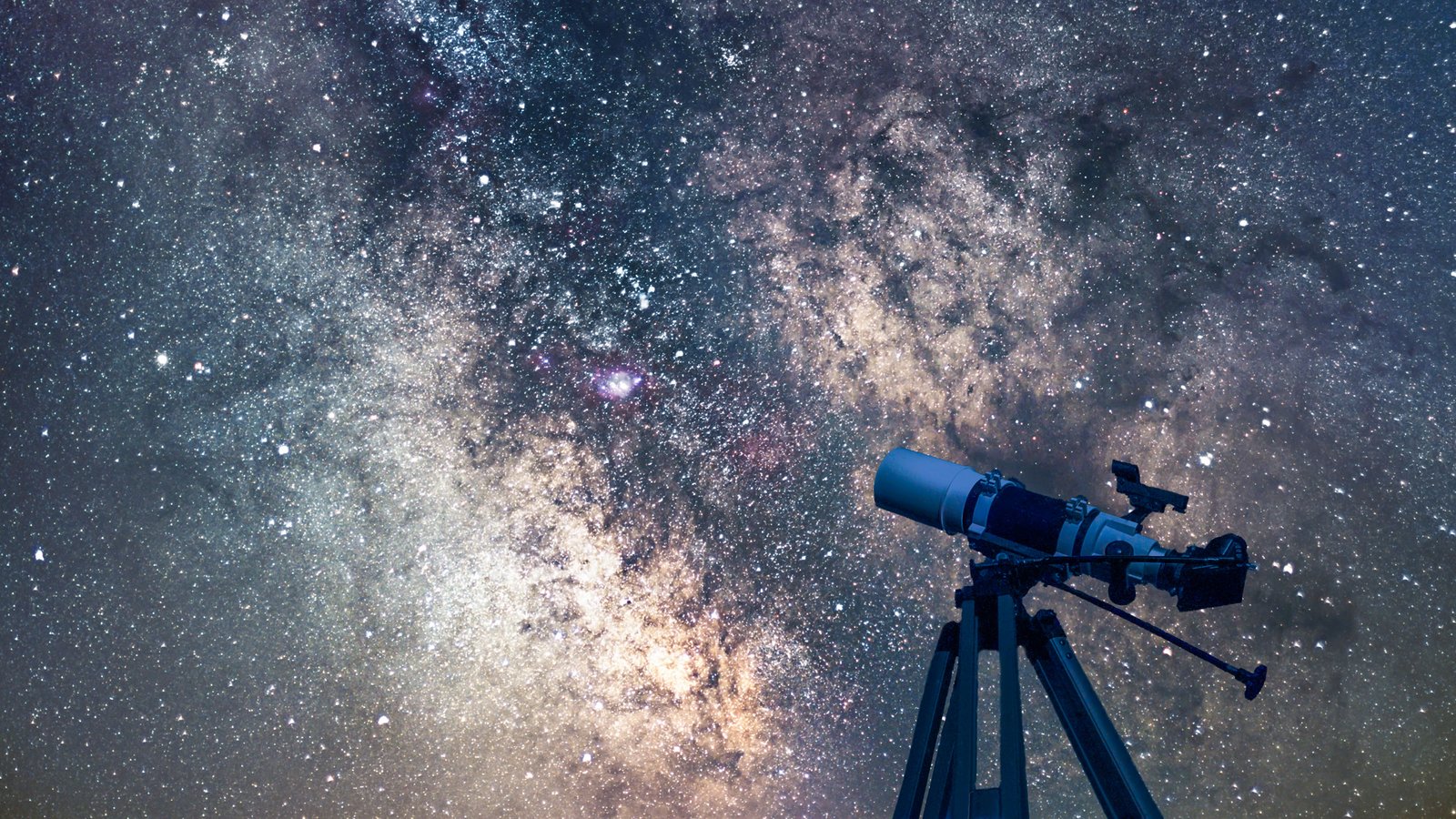
Best Budget Astrophotography Setup Under $1,200
A coherent kit, not a list of unrelated products.
 GuideIllustrative
Top Telescope Accessories Worth Owning
The short list that actually improves what you see, in buying order.
Compare Before You Buy
Browse every ORIVON head-to-head — smart telescopes, cameras and mounts — organized by the exact decision you're trying to make.
Smart imaging systems and traditional optics
Smart Telescopes
 Review
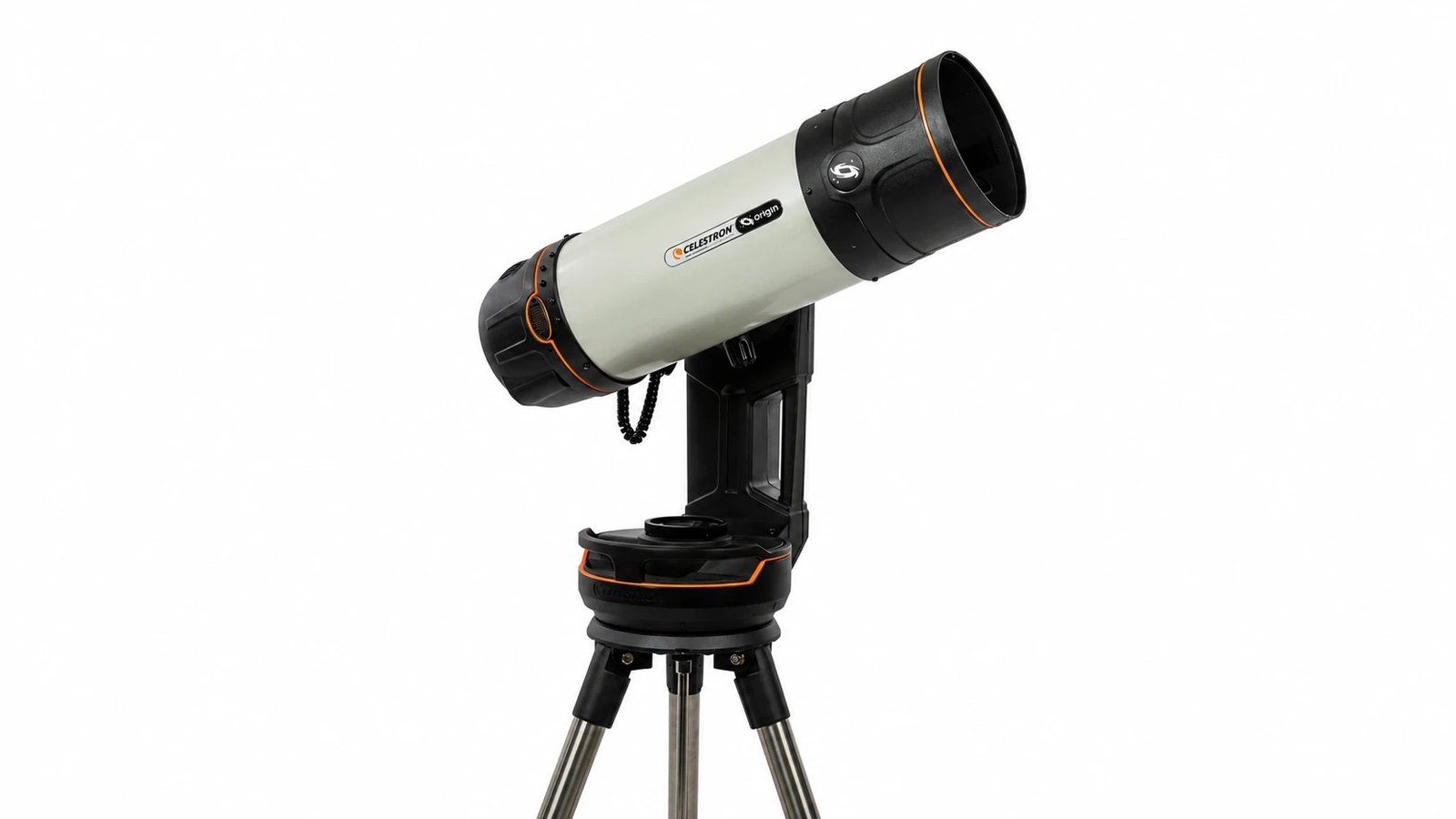
Celestron Origin Mark II
By most accounts, the most complete smart imaging system in its class.
Credit: Celestron
 Review
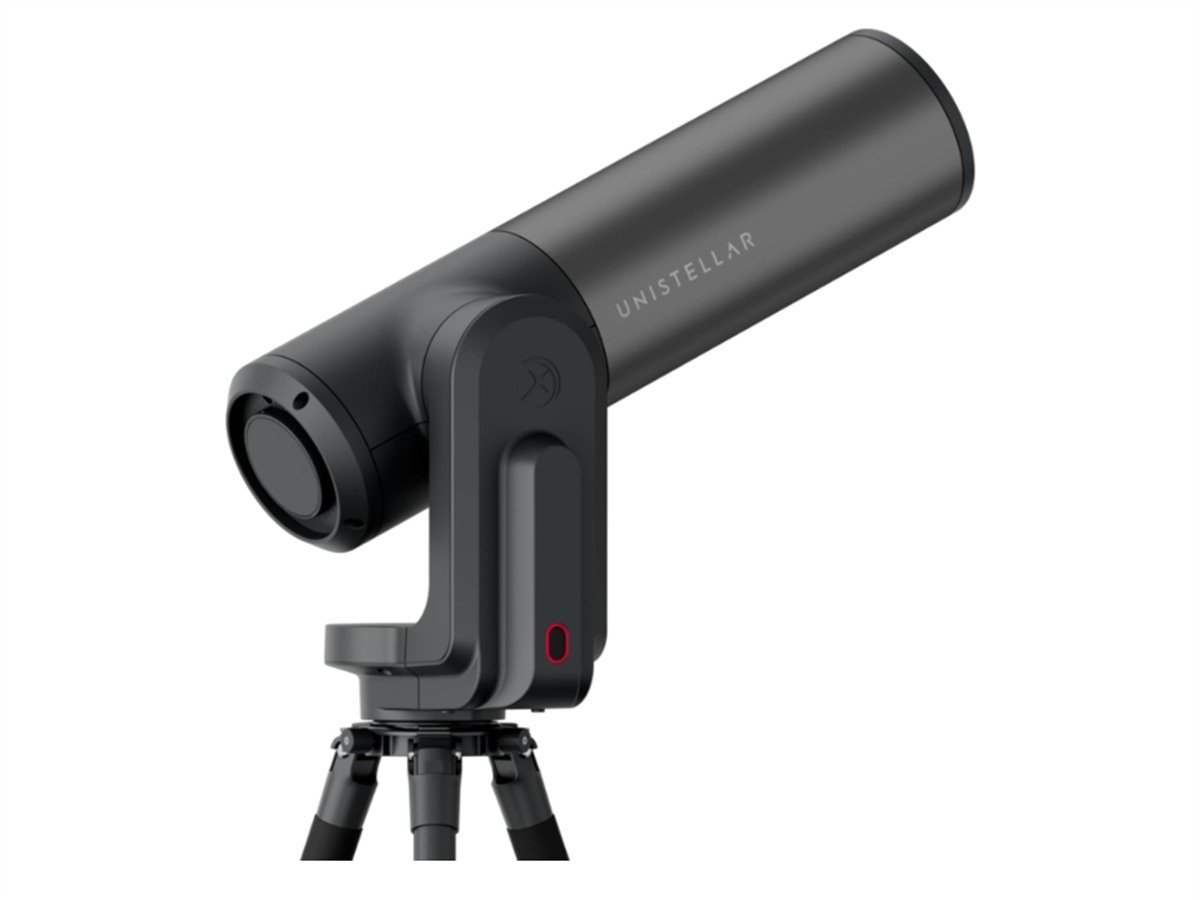
Unistellar eQuinox 2
Strong optics-to-price ratio for casual imagers.
Credit: Unistellar
 Review
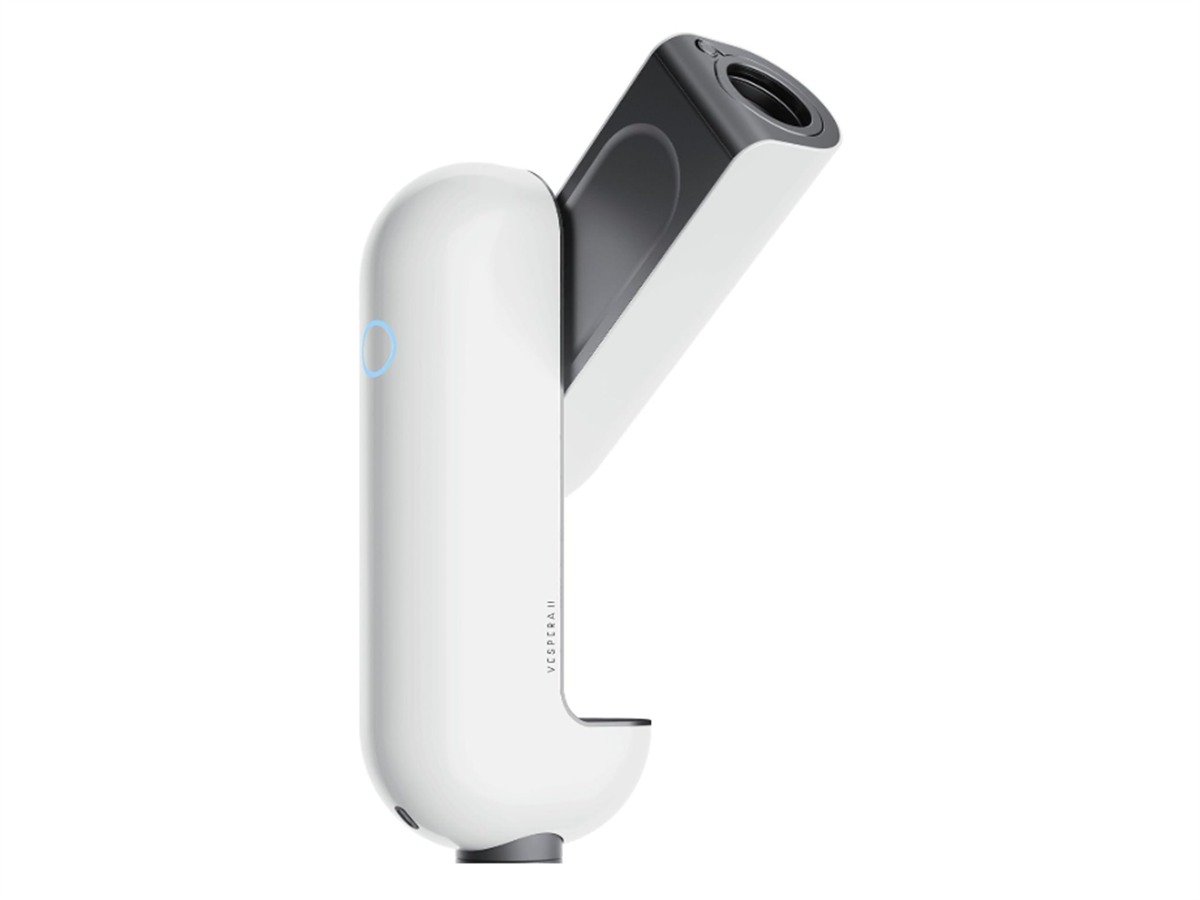
Vaonis Vespera II
Genuinely pocketable, surprisingly capable.
Credit: Vaonis
 Review
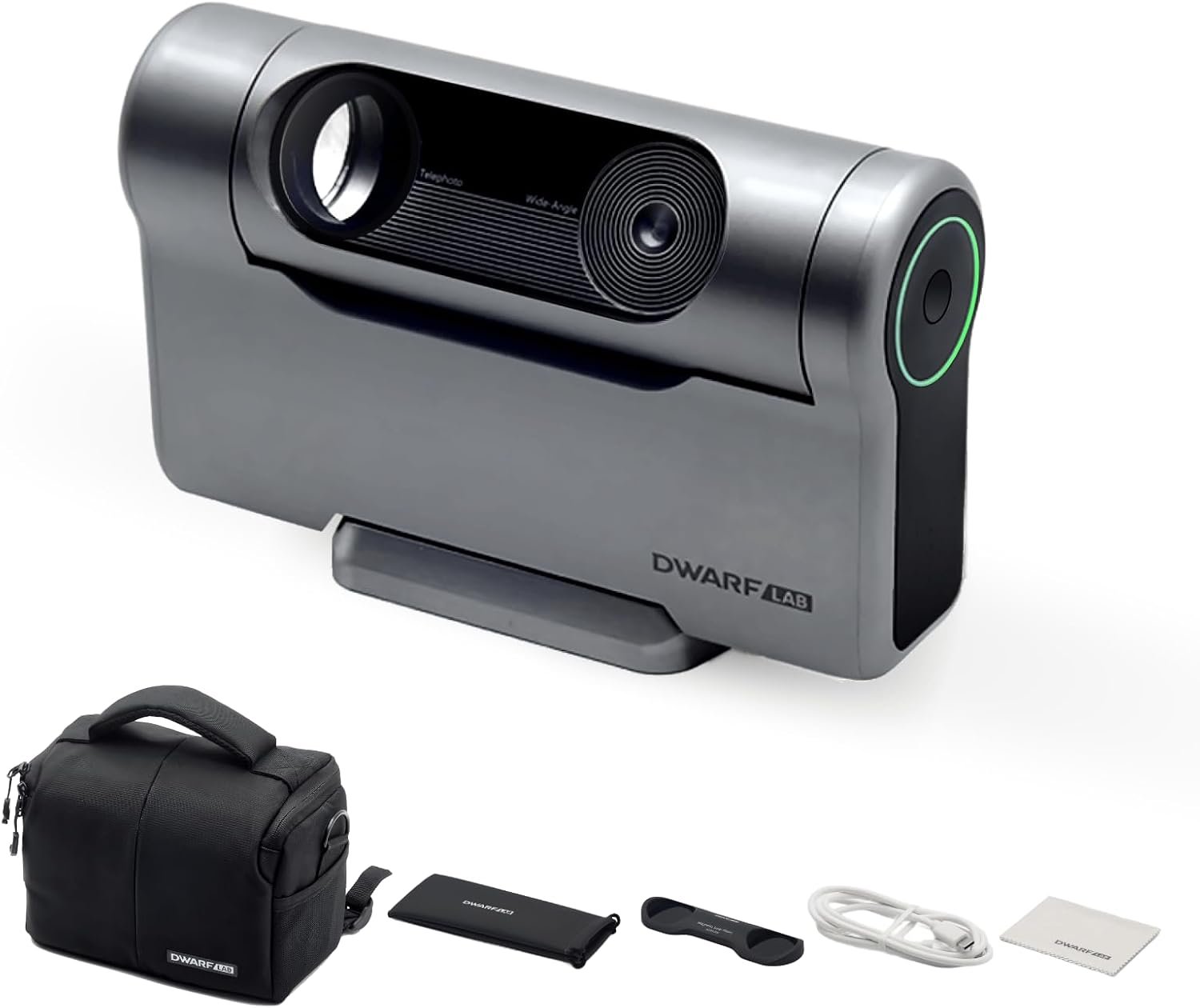
DwarfLab Dwarf 3
Dual-lens design that shoots deep sky and wide-field in one body.
Credit: DwarfLab
 Review
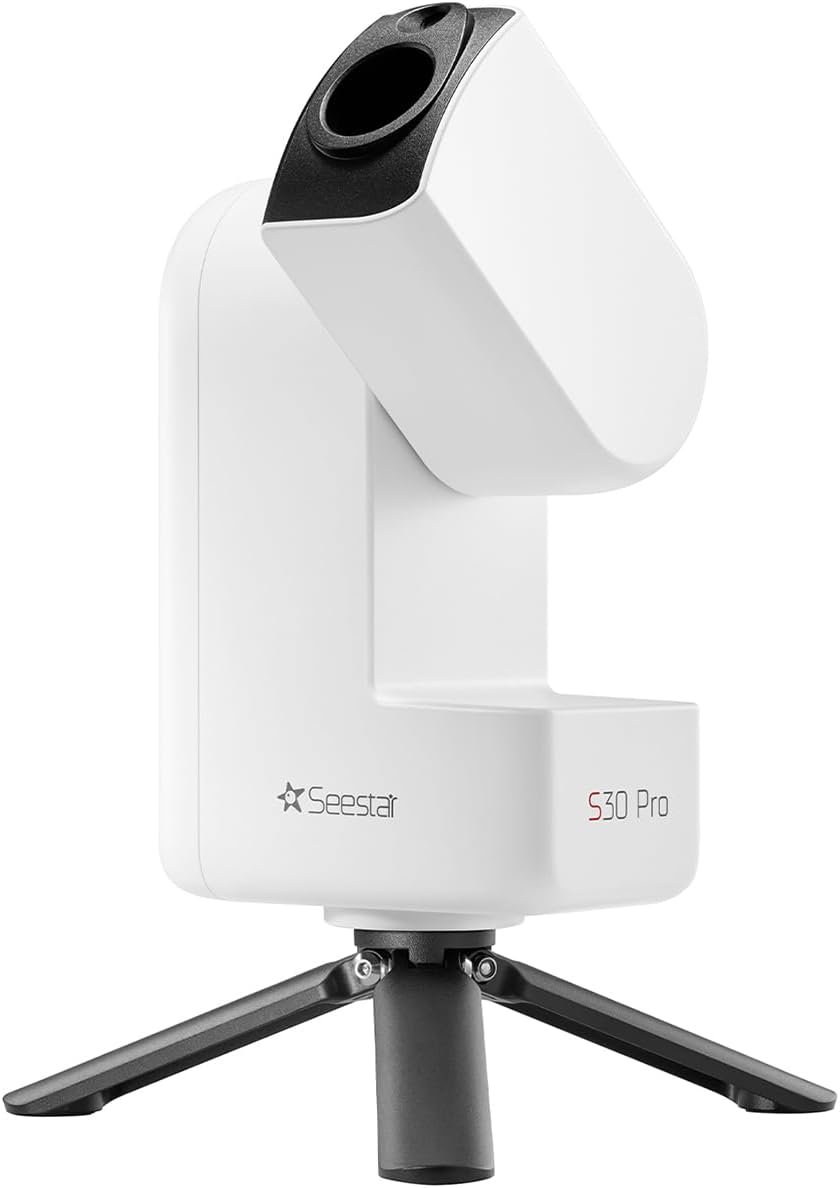
ZWO Seestar S30 Pro
A portable, automated dual-camera imaging system with 4K sensors.
Credit: ZWO
 First Look
ZWO Seestar S50 Pro
Everything confirmed so far about ZWO's newest, largest-aperture Seestar.
Credit: ZWO
 Review
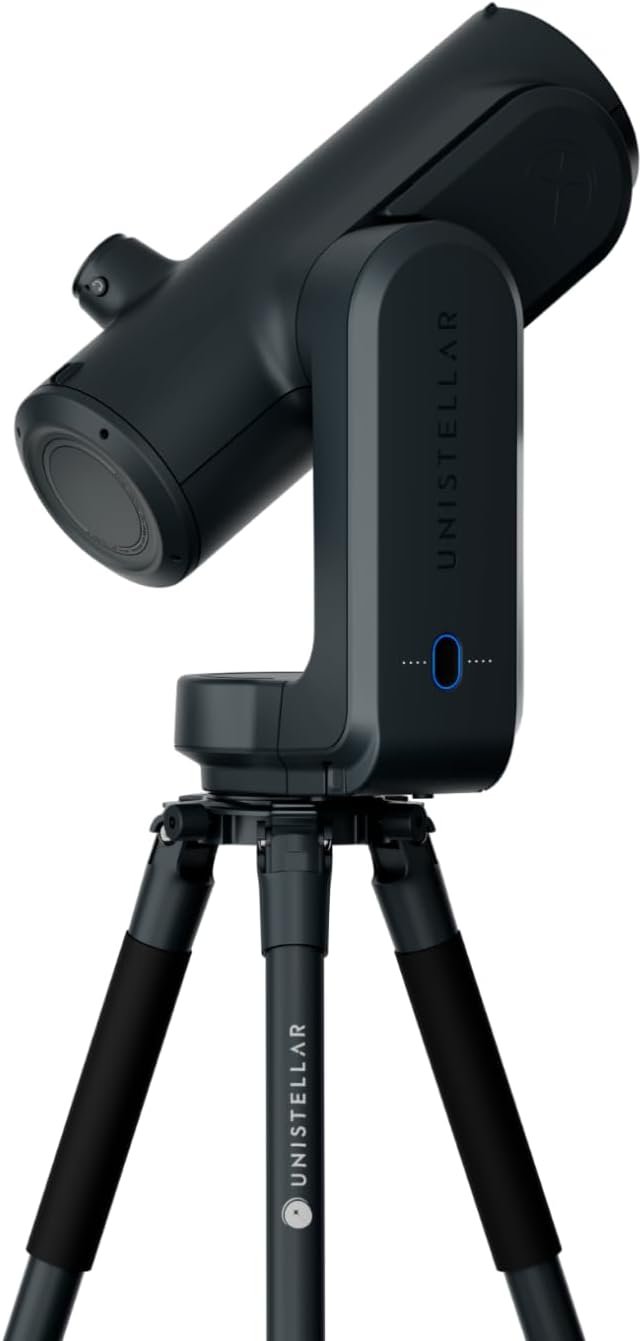
Unistellar Odyssey Pro
The only smart telescope in this lineup built around a genuine Nikon eyepiece.
Credit: Unistellar
 Review
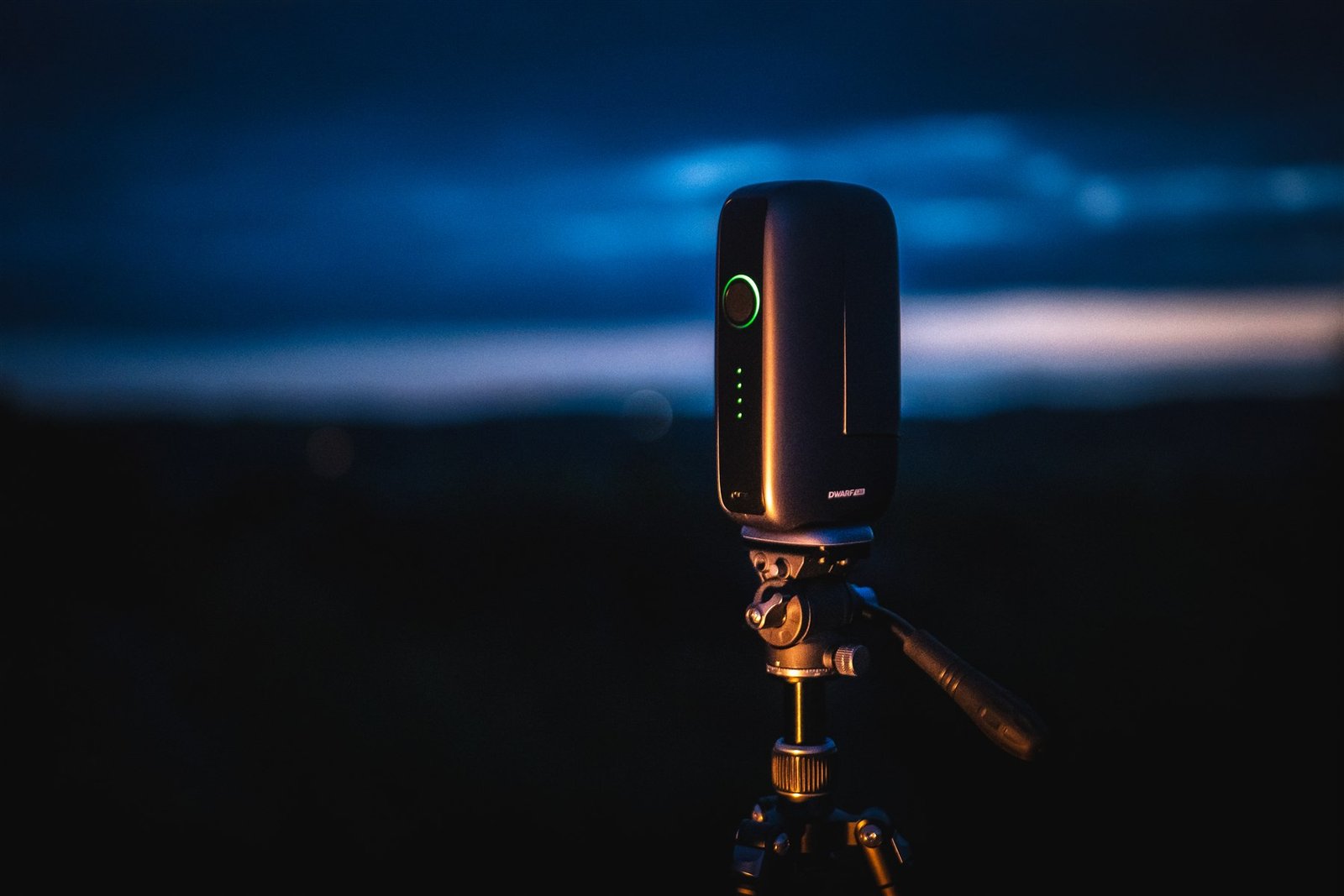
DWARFLAB DWARF Mini
A sub-kilogram smart telescope with EQ mode included, at the accessible end of the category.
Credit: DWARFLAB
Best Smart Telescopes, Ranked
Which models actually deliver on the app-controlled promise.
Best Smart Telescopes for City Skies
Ranked specifically on light-polluted-sky performance.
Best Telescope for Light Pollution
Visual, smart and imaging options, by use case.
Smart vs. Traditional Setup
Convenience versus control, honestly assessed.
DWARF 3 vs. DWARF Mini
Sensor and aperture against weight and price.
Seestar S50 Pro vs. S30 Pro
Aperture and battery against weight and price.
Seestar S50 Pro vs. S50
Is the upgrade from the original S50 worth it?
Origin Mark II vs. Seestar S30 Pro
Premium deep-sky depth against budget portability.
Origin Mark II vs. Odyssey Pro
Two premium smart telescopes, head to head.
Origin Mark II vs. eQuinox 2
Maximum aperture against light-pollution focus.
Traditional Telescopes
 GuideIllustrative
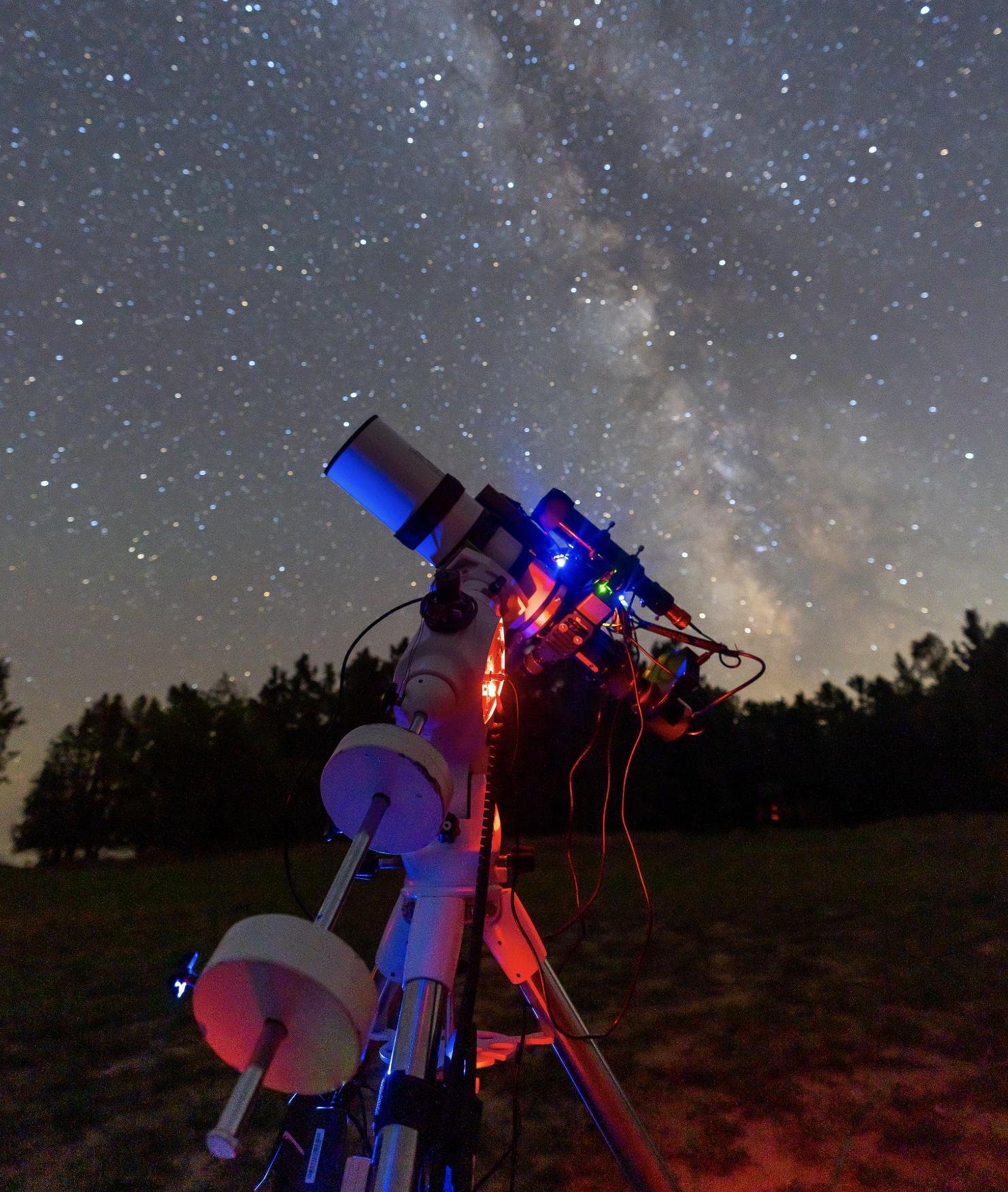
Best Beginner Telescope: What Actually Matters
Aperture, mount stability and expectations, explained plainly.
 ComparisonIllustrative
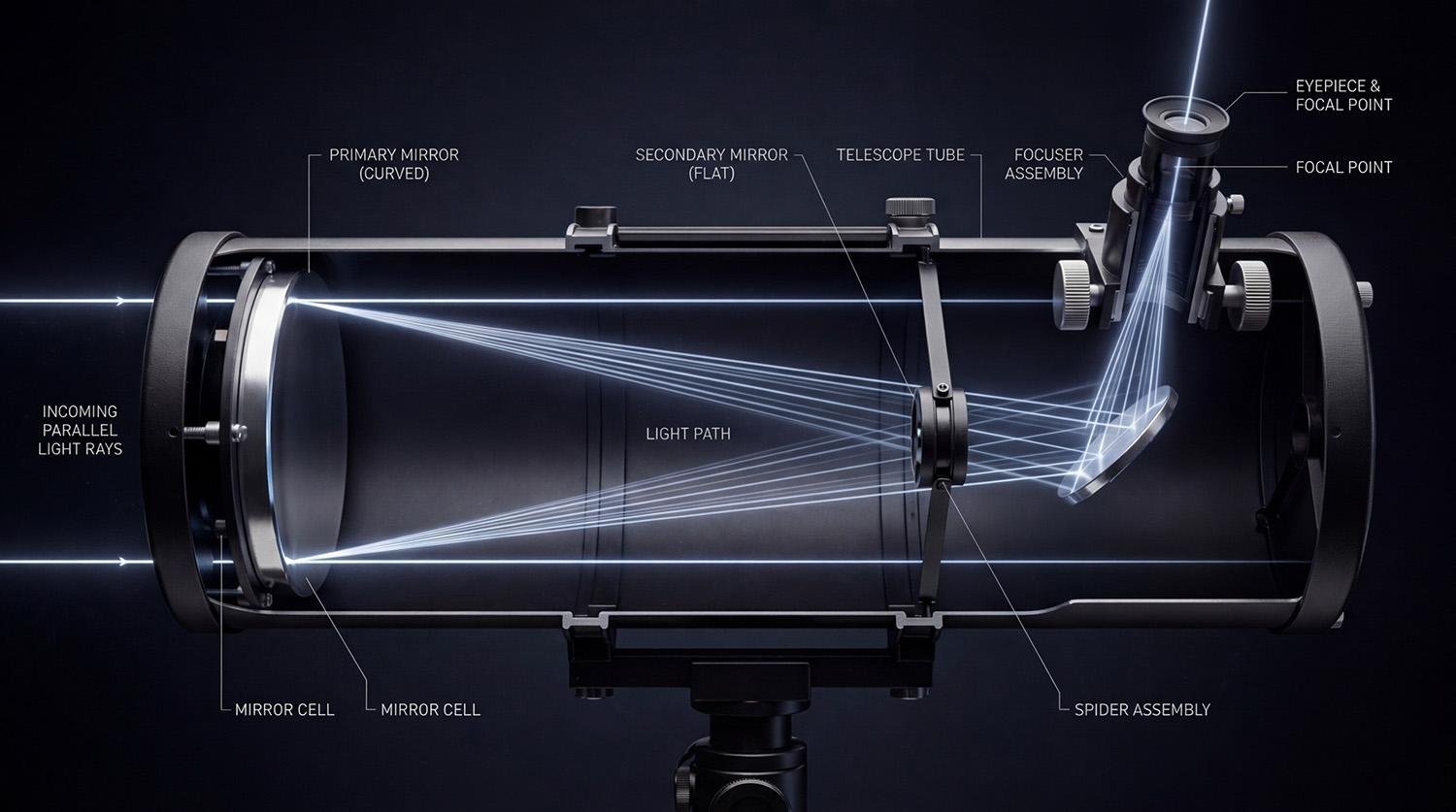
Refractor vs. Reflector
Which design fits your budget and your back.
 Review
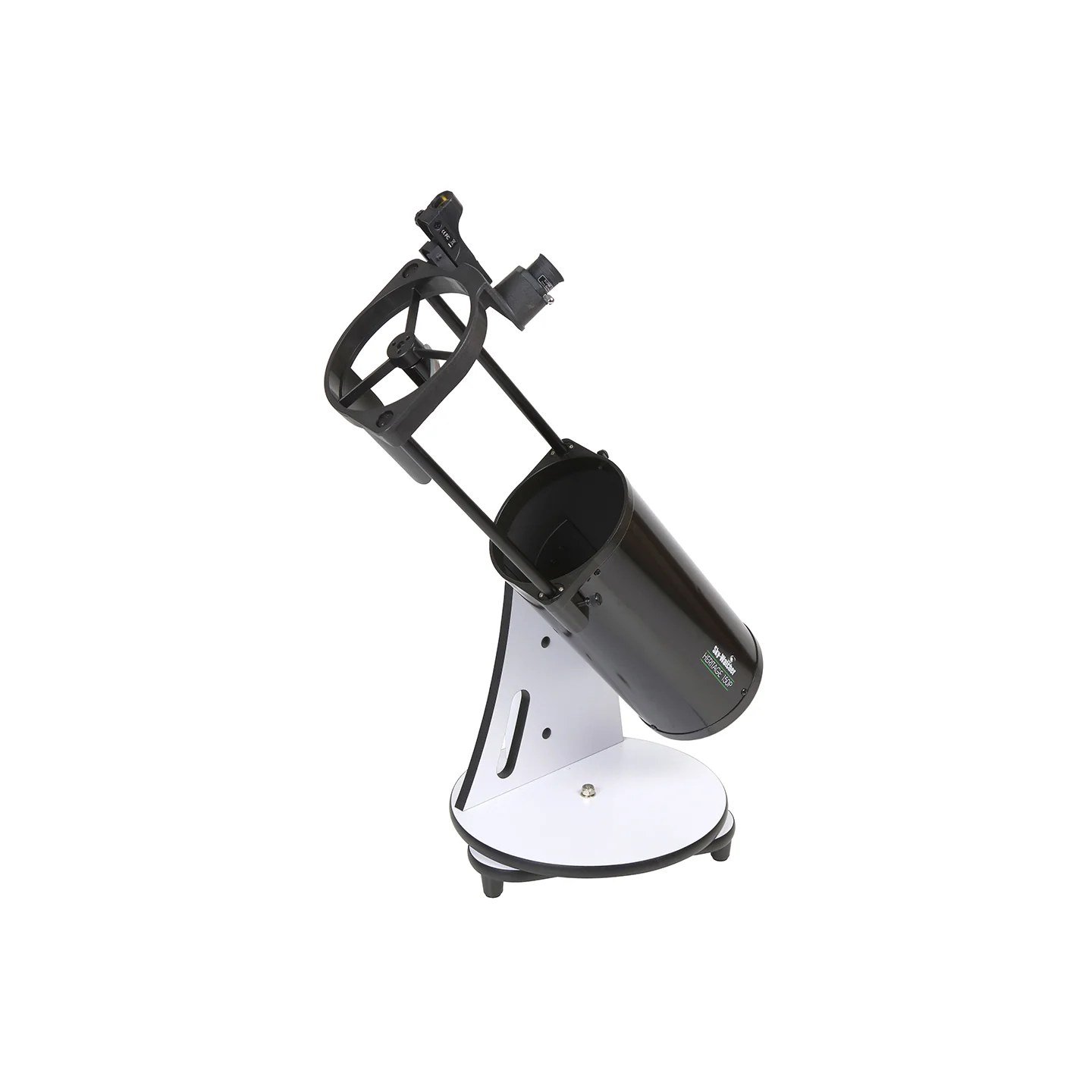
Sky-Watcher Heritage 150P Review
Is this manual tabletop reflector a good first telescope?
Courtesy of Sky-Watcher
Dedicated astro cameras and the DSLR jump
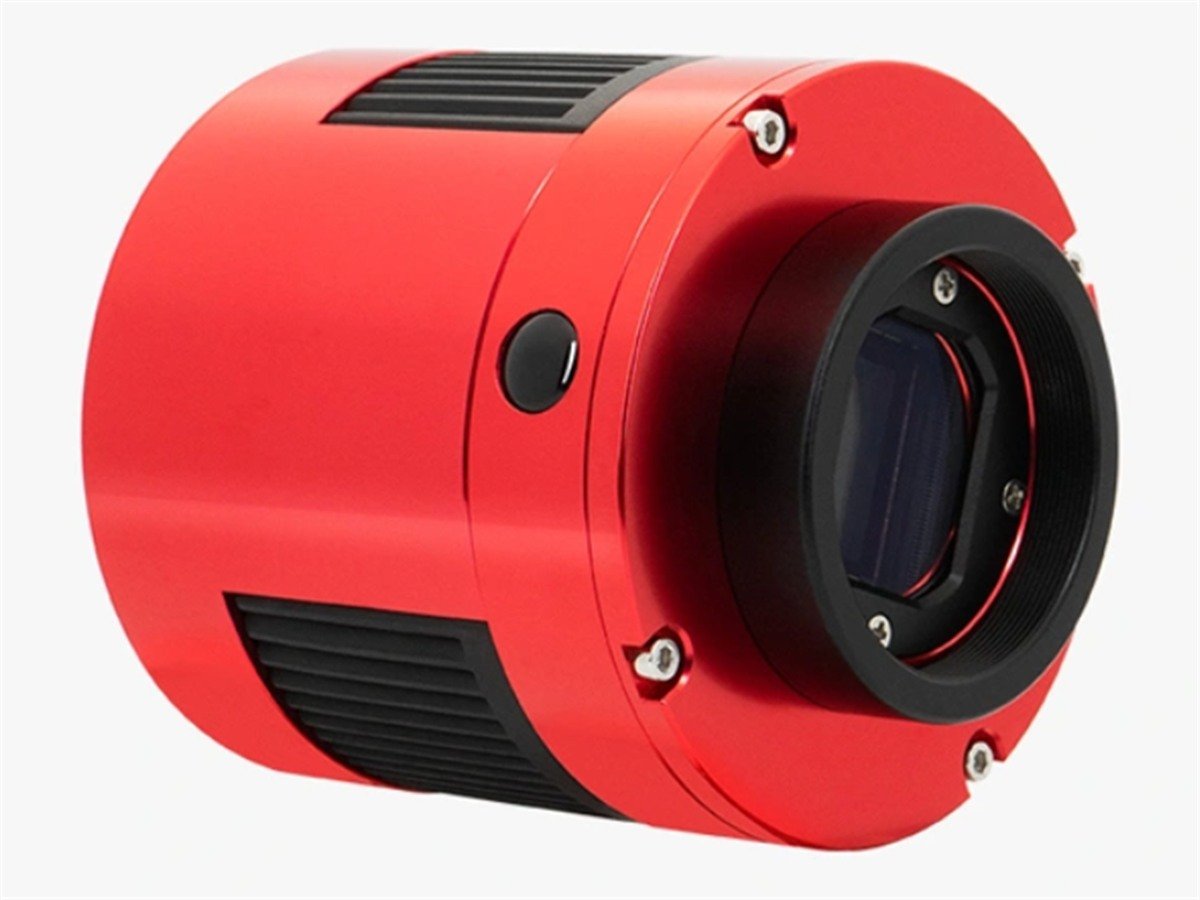 Review
A Cooled CMOS Camera That Justifies the Jump From DSLR
Lower noise, better dynamic range, and gains on faint targets that reviewers consistently point to.
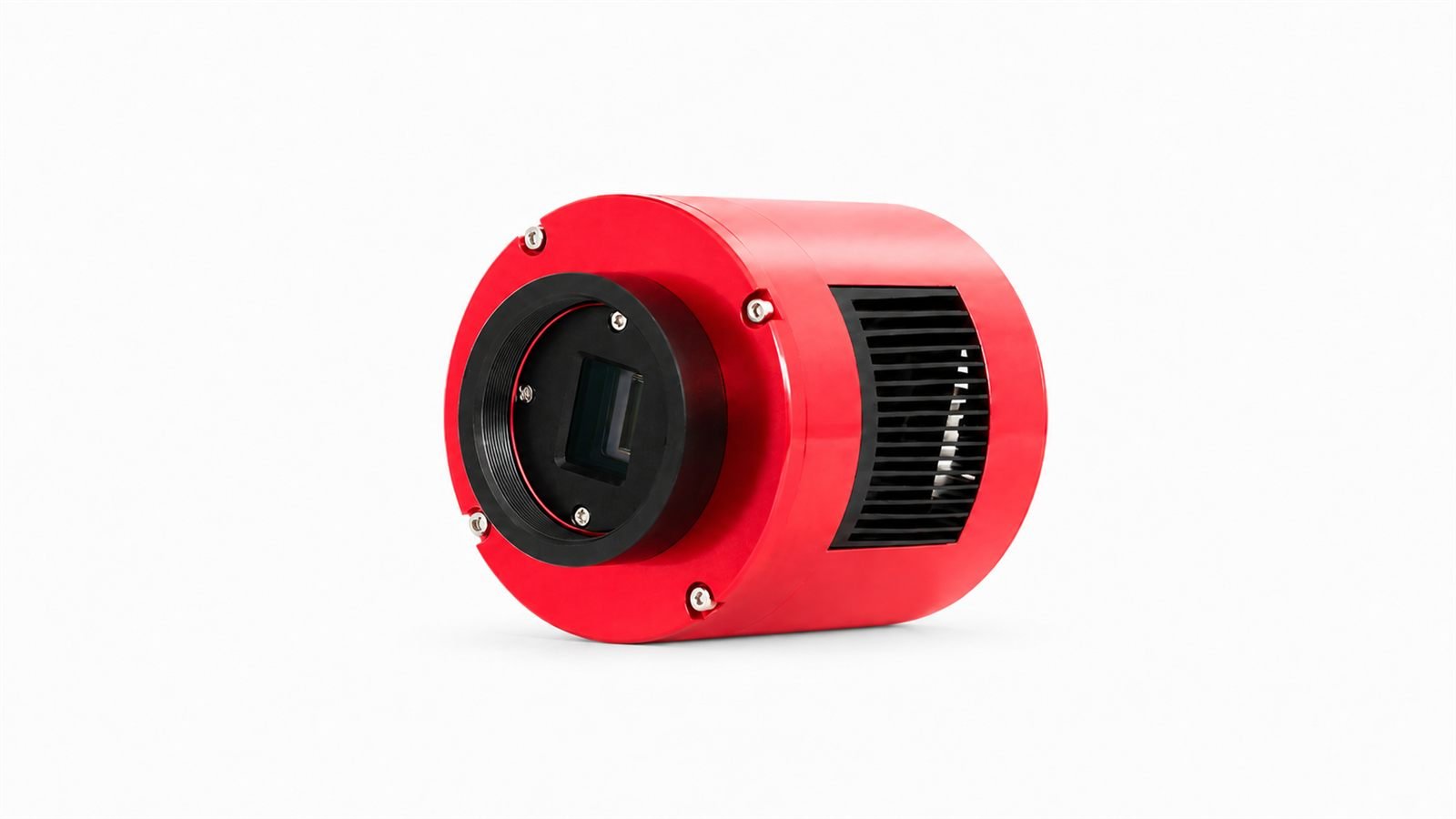 Review
ZWO ASI585MC Pro
ZWO's affordable cooled color camera, combining low read noise with a compact sensor suited to deep-sky and planetary imaging.
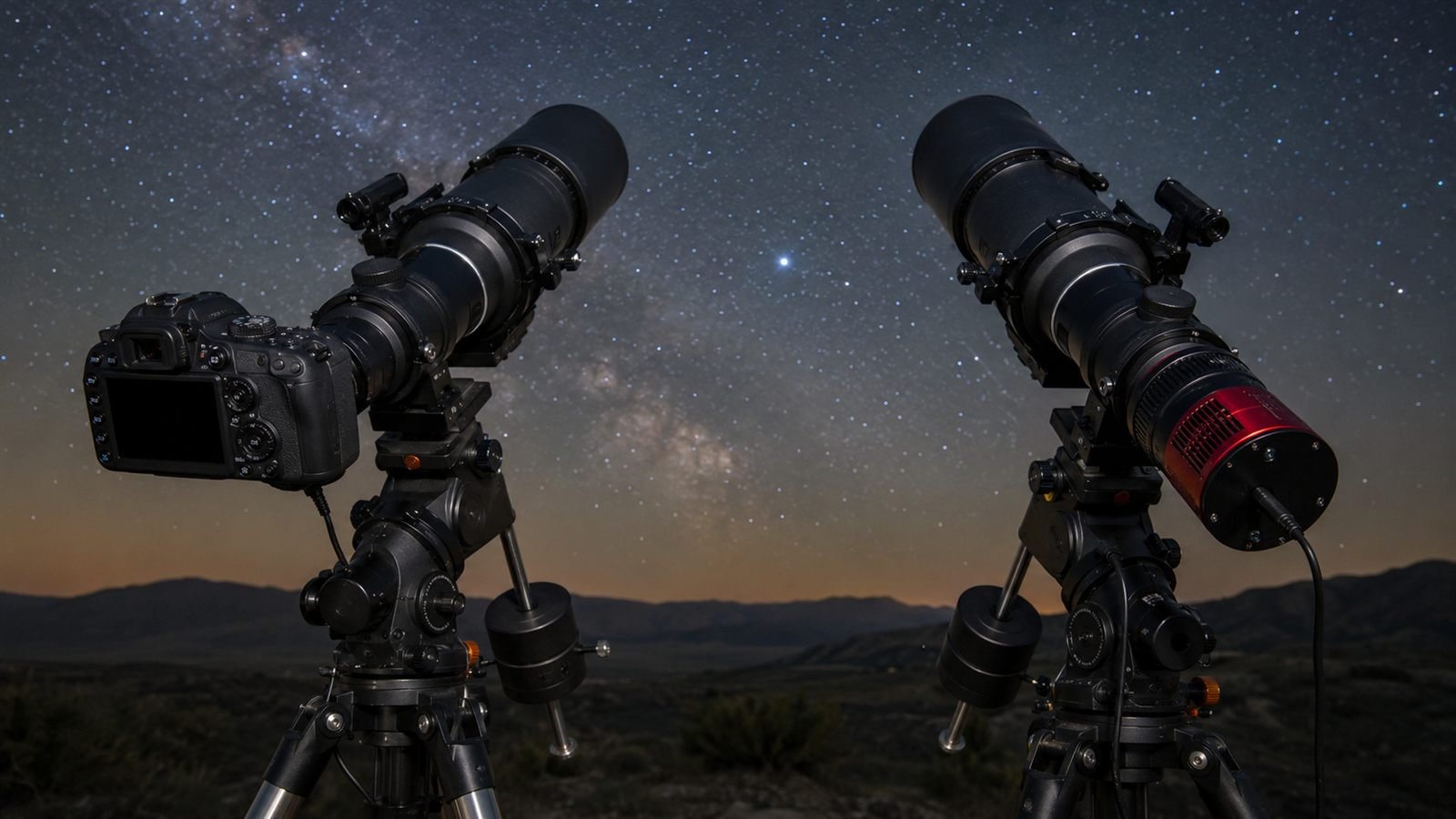 Comparison
DSLR vs. Dedicated Astro Camera
Where a cooled sensor earns its cost.
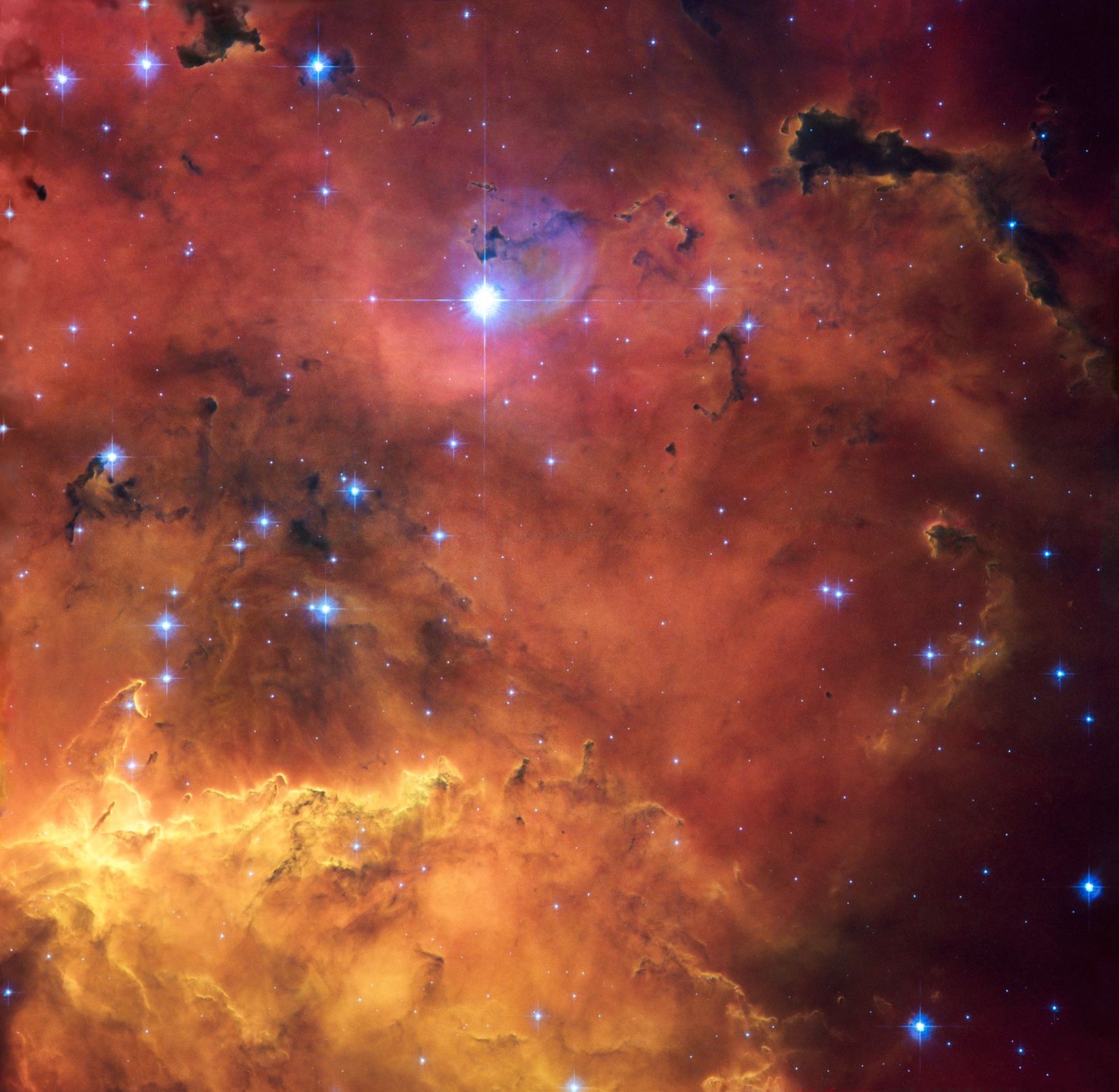 GuideIllustrative
Best Astrophotography Cameras by Budget (2026)
From modified DSLR to dedicated cooled CMOS.
What actually holds and follows the sky
 Review
A Compact Tracker for Wide-Field Astrophotography
Independent reviewers document confident multi-minute exposures — real tracking accuracy for its size and price class.
 Review
A Travel Tracker That Fits in a Carry-On
Light enough for airline travel, with owners reporting it holds steady for long exposures.
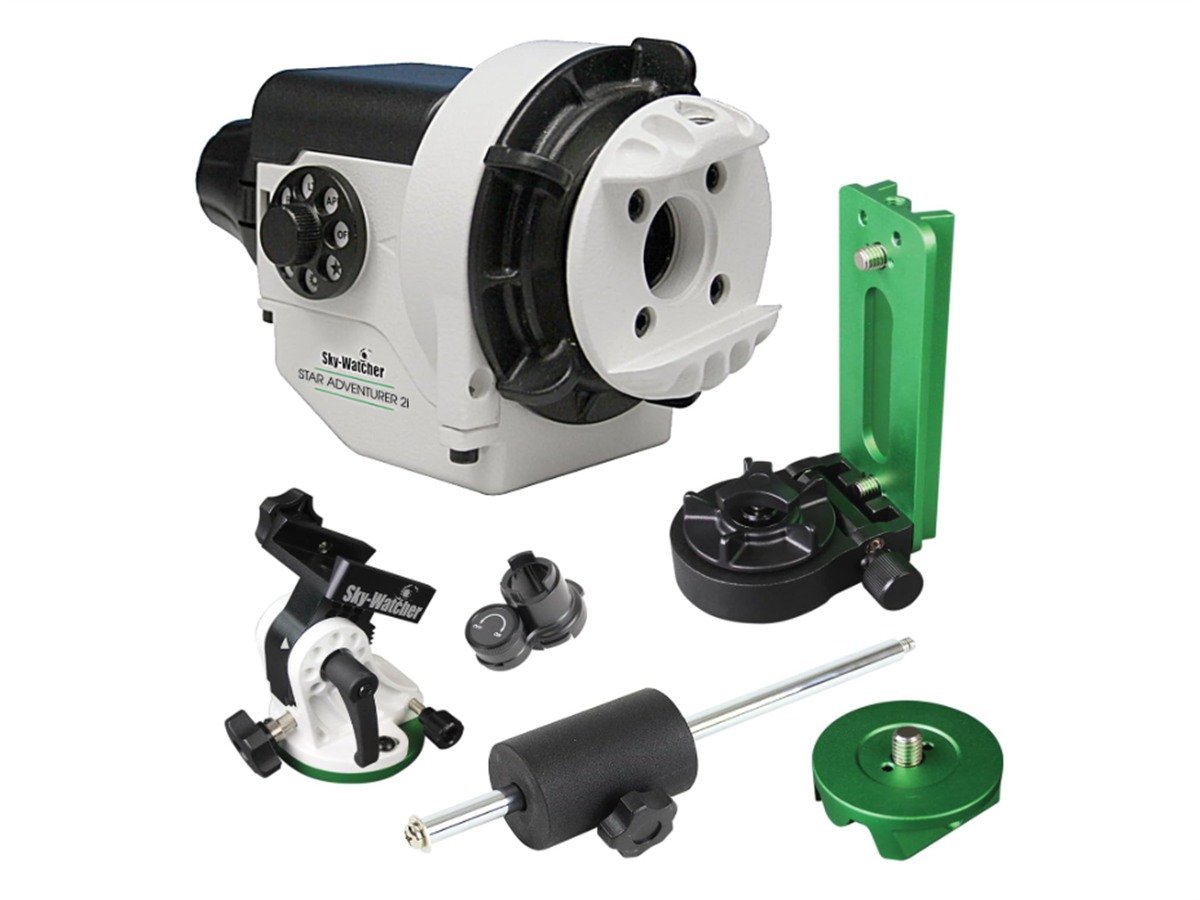
Sky-Watcher Star Adventurer GTi
A compact two-axis GoTo equatorial mount designed for portable astrophotography setups.
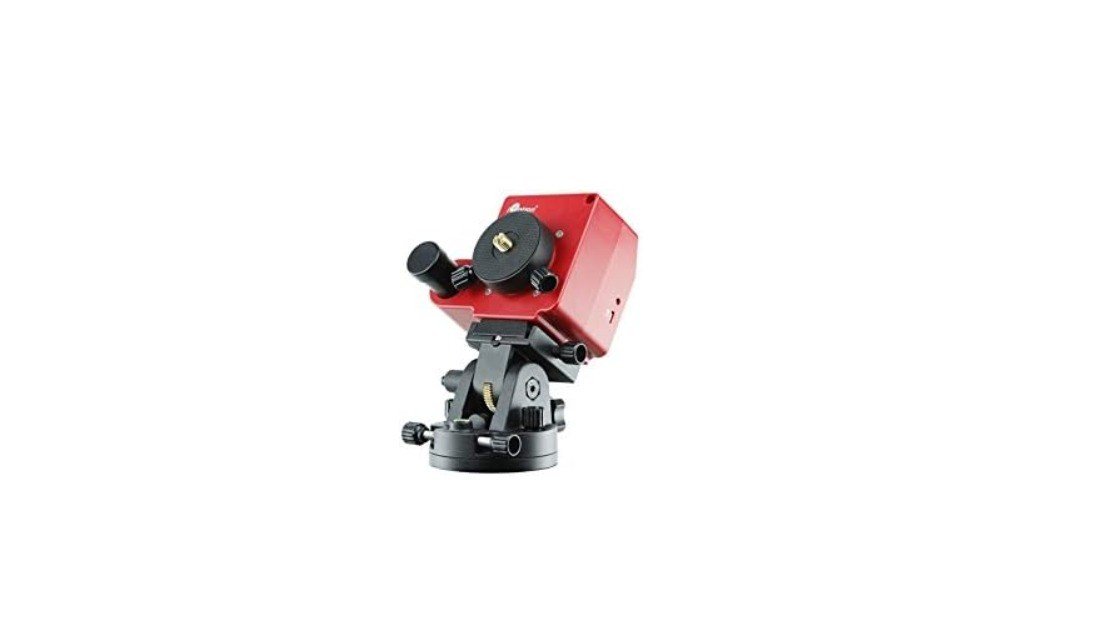
iOptron SkyGuider Pro
A portable star tracker with an 11 lb rated payload, strong tracking capability and a few important compromises.
Autoguiders & Trackers
Alt-Az vs. Equatorial
Visual convenience against imaging precision.
Cutting through light pollution and isolating narrowband
 Review
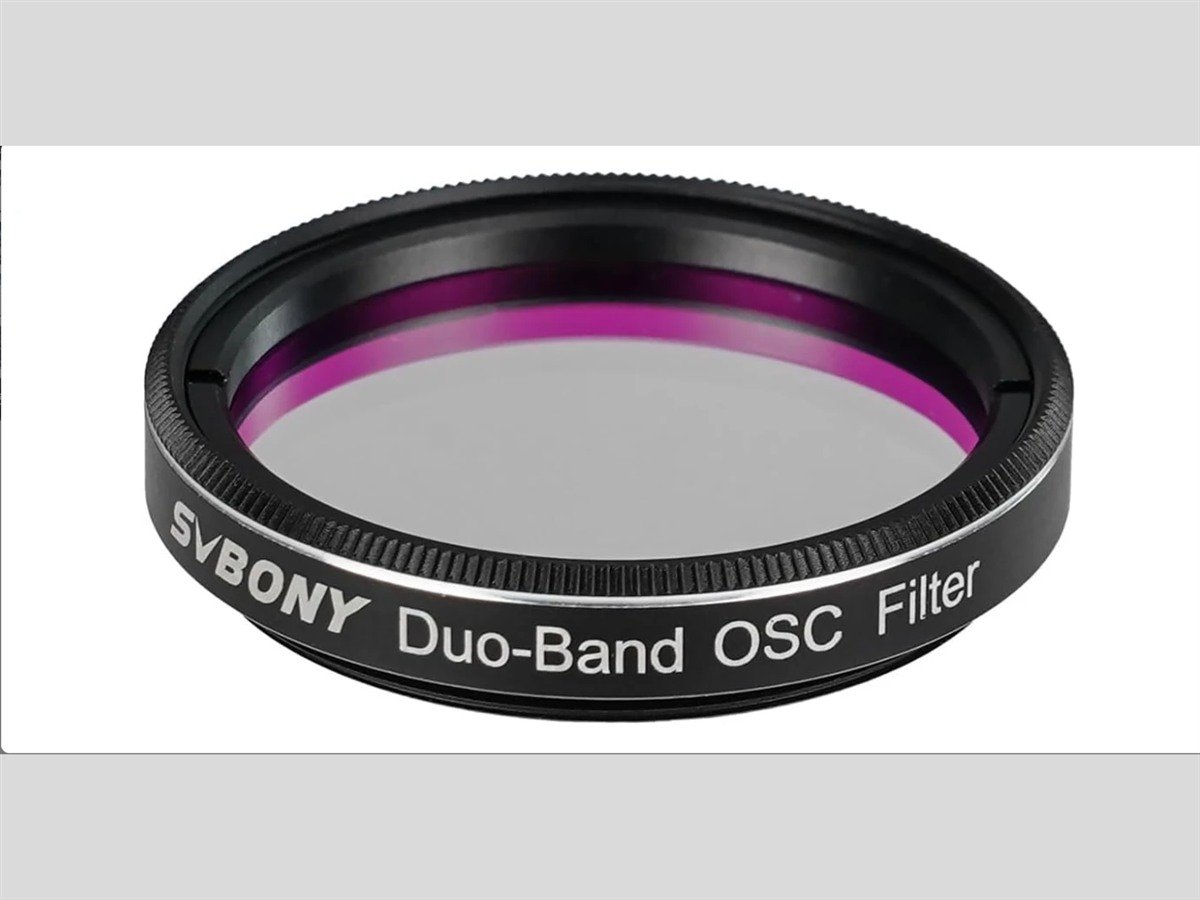
The Filter City-Based Imagers Swear By
Reviewers report usable nebula data even from Bortle 7 skies.
 GuideIllustrative
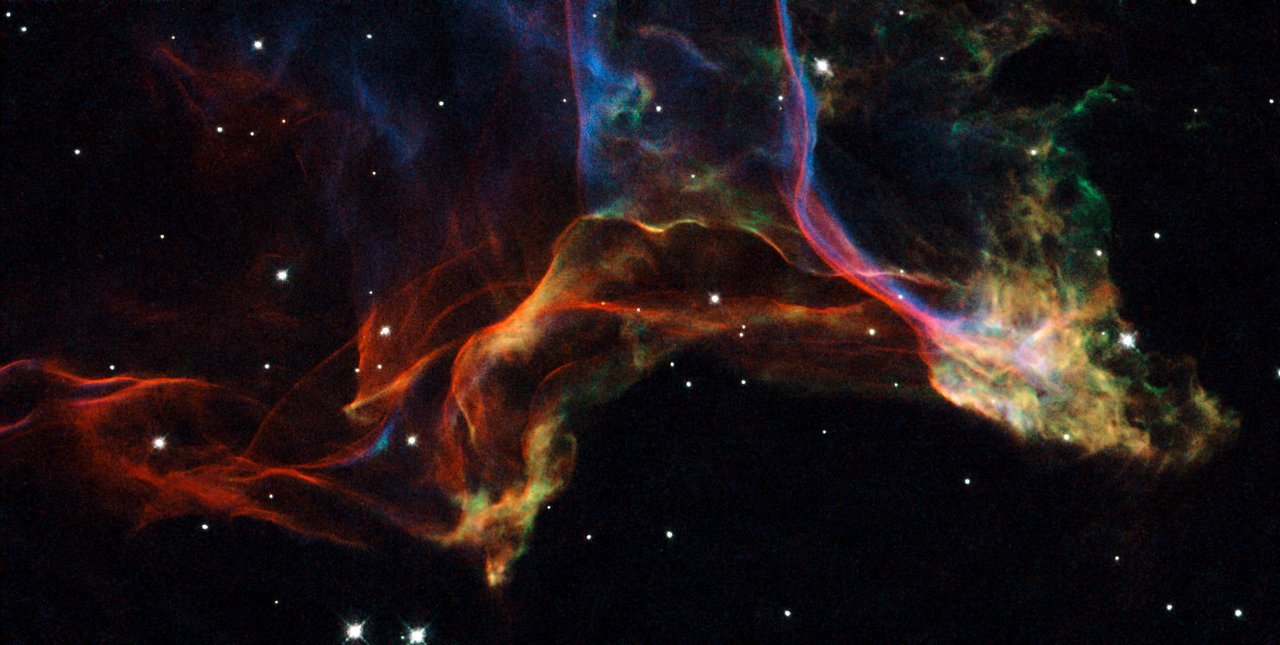
Best Astrophotography Filters Explained
UHC vs. Dual-Band vs. Broadband — the right filter for the problem you actually have.
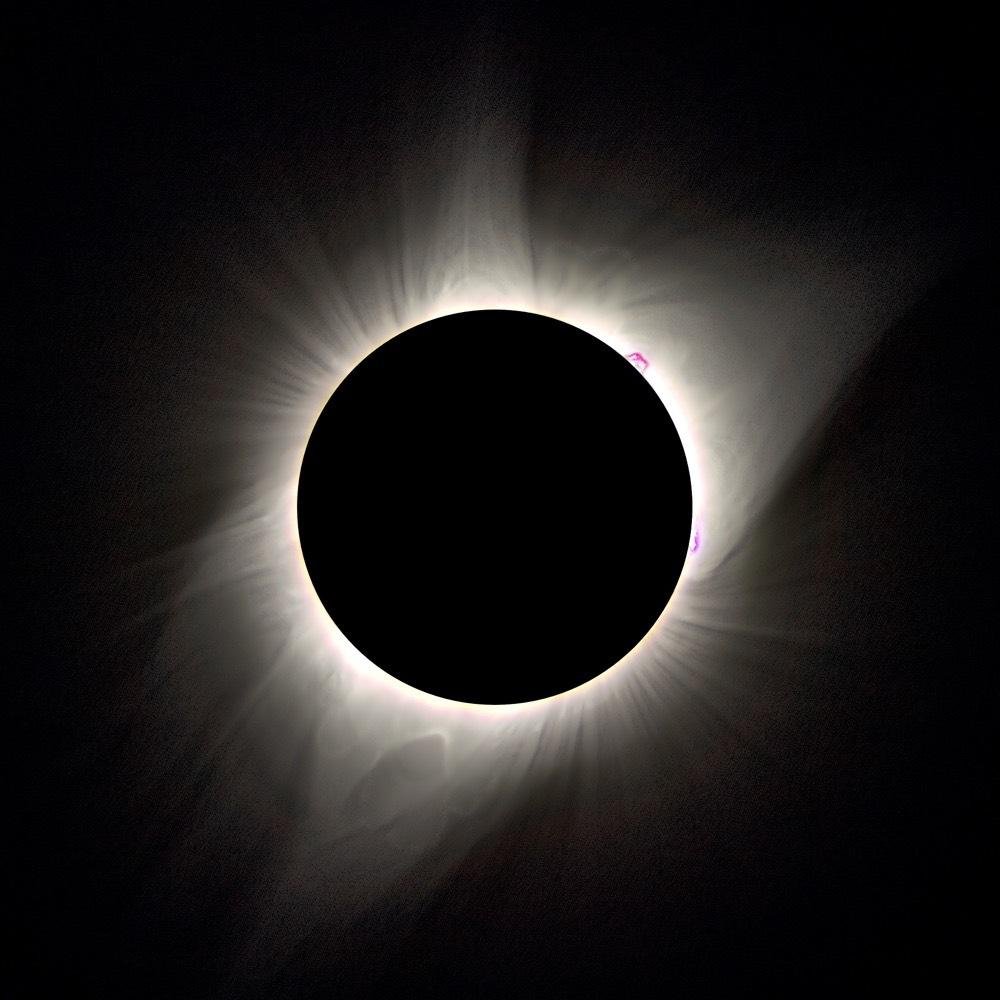 Guide
GuideBest Solar Filters for the August 12, 2026 Eclipse
Certified protection matched to your telescope, camera or naked eye.
The small upgrades with outsized impact
The tools behind every great image
Best Stacking Software for Beginners
From free tools to professional stacking suites.
How to Plan an Observing Session
Plan your session before the clouds decide for you.
Post-Processing Workflows That Respect the Data
Enhance without destroying what the sensor captured.