The Best Budget Astrophotography Setup Under $1,200
This article contains affiliate links. If you buy through them, ORIVON may earn a commission at no extra cost to you.
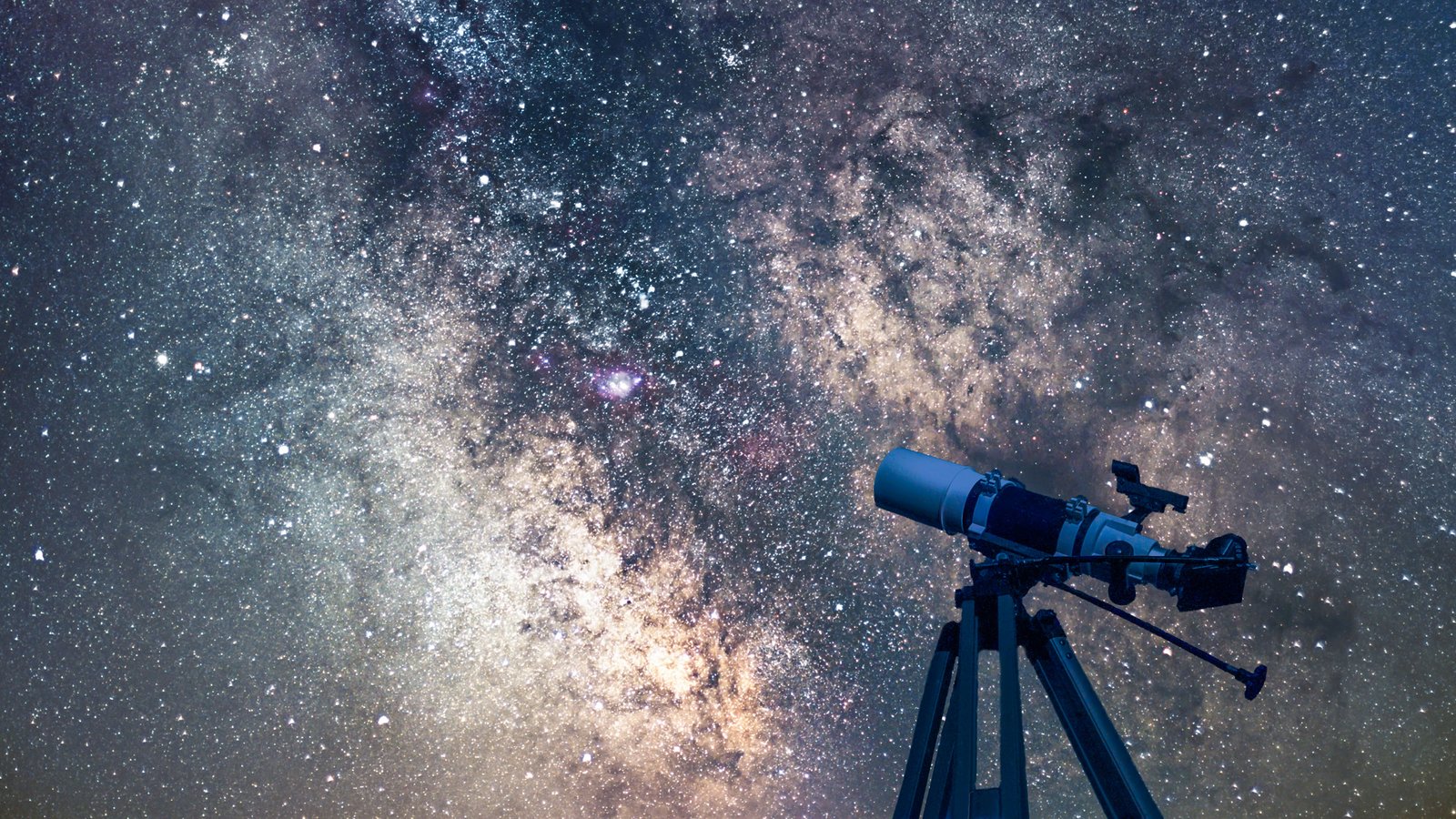
A camera, lens and tracking mount — the entire kit needed for wide-field nightscape imaging.
What This Kit Is — and Isn't — For
This is a wide-field kit for Milky Way panoramas and nightscapes, not a deep-sky imaging setup built around a telescope. Deep-sky imaging — nebulae, galaxies, star clusters framed through a telescope — requires a far larger budget once you add an optical tube, a computerized mount, guiding equipment and a dedicated camera. If that's the goal, our astrophotography camera guide is the better starting point. What follows below is a coherent, three-part kit built around a camera you likely already own, assembled specifically for capturing the night sky as a landscape photographer would.
1. The Base: A Camera You Already Own
Any DSLR or mirrorless camera with a manual mode and a wide-angle lens (14mm–24mm full-frame equivalent, fast aperture around f/2.8) is the foundation of this kit. There's no product to buy here — reviewers and experienced nightscape photographers agree that the camera body matters far less than the tracking mount underneath it, which is where this budget should actually go.
2. Tracking Mount: Sky-Watcher Star Adventurer 2i Pro Pack (~$585)
| Payload | Up to 11 lbs |
| Control | Star Adventurer Console WiFi app, sidereal/solar/lunar tracking |
| Weight | 3.63 lbs (mount head with declination bracket) |
A tracking mount is what separates a sharp, deep exposure of the Milky Way from a short, noisy one. By moving the camera to counter Earth's rotation, it allows exposures several minutes long instead of the roughly 15–20 seconds a static tripod permits before stars begin to trail. Already reviewed in depth on ORIVON, the Star Adventurer 2i is the mount reviewers most consistently recommend for exactly this use case — though its current price takes a larger bite of this kit's budget than earlier guides assumed, which the math below accounts for. Prioritizing minimal size and weight over payload instead? ORIVON's iOptron SkyTracker Pro review covers a smaller, lighter travel-focused alternative at a lower current price.
Read the full reviewView at Retailer
3. Filter (Optional, Recommended in Light-Polluted Skies): SVBONY SV220 Dual-Band 7nm (~$140)
| Bandwidth | 7nm dual-band, Ha + OIII |
| Thread | 1.25" |
For imagers working from suburban or light-polluted locations, a dual-band filter is frequently cited as the single upgrade that makes the biggest visible difference — cutting through skyglow to recover contrast that would otherwise wash out a wide-field exposure. It's not essential under genuinely dark skies, which is why this piece is marked optional, but reviewers in urban and suburban areas consistently rank it as worth the cost.
View at RetailerRoom to Grow
At roughly $725 spent on the mount and filter, this kit leaves about $475 of the $1,200 budget untouched. Rather than spending it immediately, most reviewers recommend banking it toward a dedicated astrophotography camera — the ZWO ASI585MC covered in our camera guide's second tier (~$300–$350) fits comfortably within that remaining amount, and slots directly onto this same tracking mount as a natural next step once the base kit has been tested under real skies.
Mistakes to Avoid
- Buying a telescope before a tracking mount, when the mount is what actually determines exposure quality at this budget
- Skipping the tracking mount to save money — a static tripod caps usable exposure length regardless of camera quality
- Assuming this kit is suited to deep-sky targets through a telescope, which requires a substantially different and larger budget
- Buying a dual-band filter under genuinely dark skies, where it provides little benefit over a standard lens
Frequently Asked Questions
The Star Adventurer 2i's payload capacity technically allows a small refractor, but this guide is built specifically around wide-field lens photography. Telescope-based deep-sky imaging needs a sturdier mount and guiding equipment beyond this budget.
No — it's the one optional item in this kit. Reviewers in dark-sky locations often skip it entirely, while those imaging from cities or suburbs report it as a meaningful improvement.
A dedicated astrophotography camera, such as the ZWO ASI585MC, is the most commonly recommended next step — it mounts directly onto the same tracking setup.