
Fundamentals
The concepts that make every other article on this site make sense.
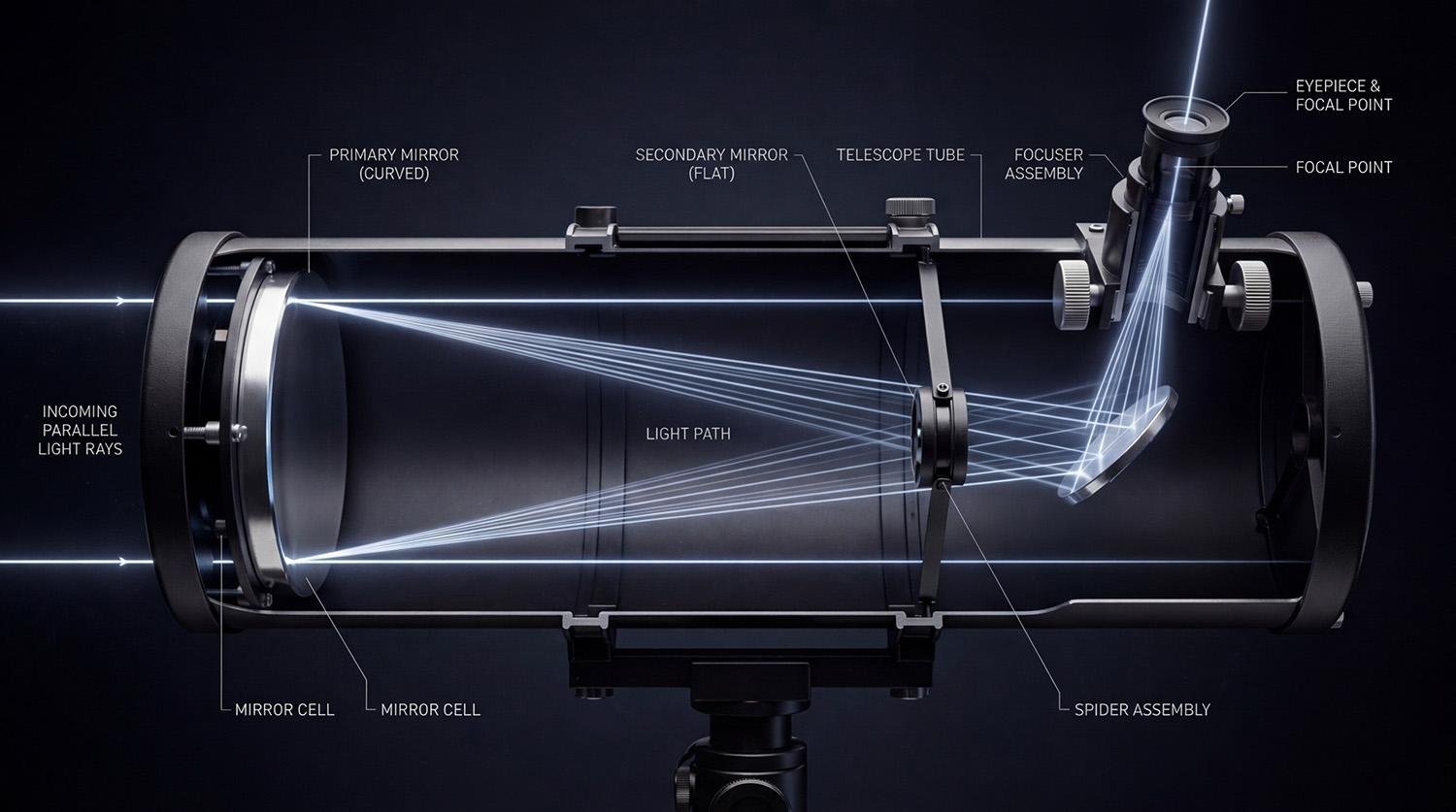 Optics
Why Aperture Matters More Than Magnification
The single most misunderstood spec in the hobby, explained plainly.
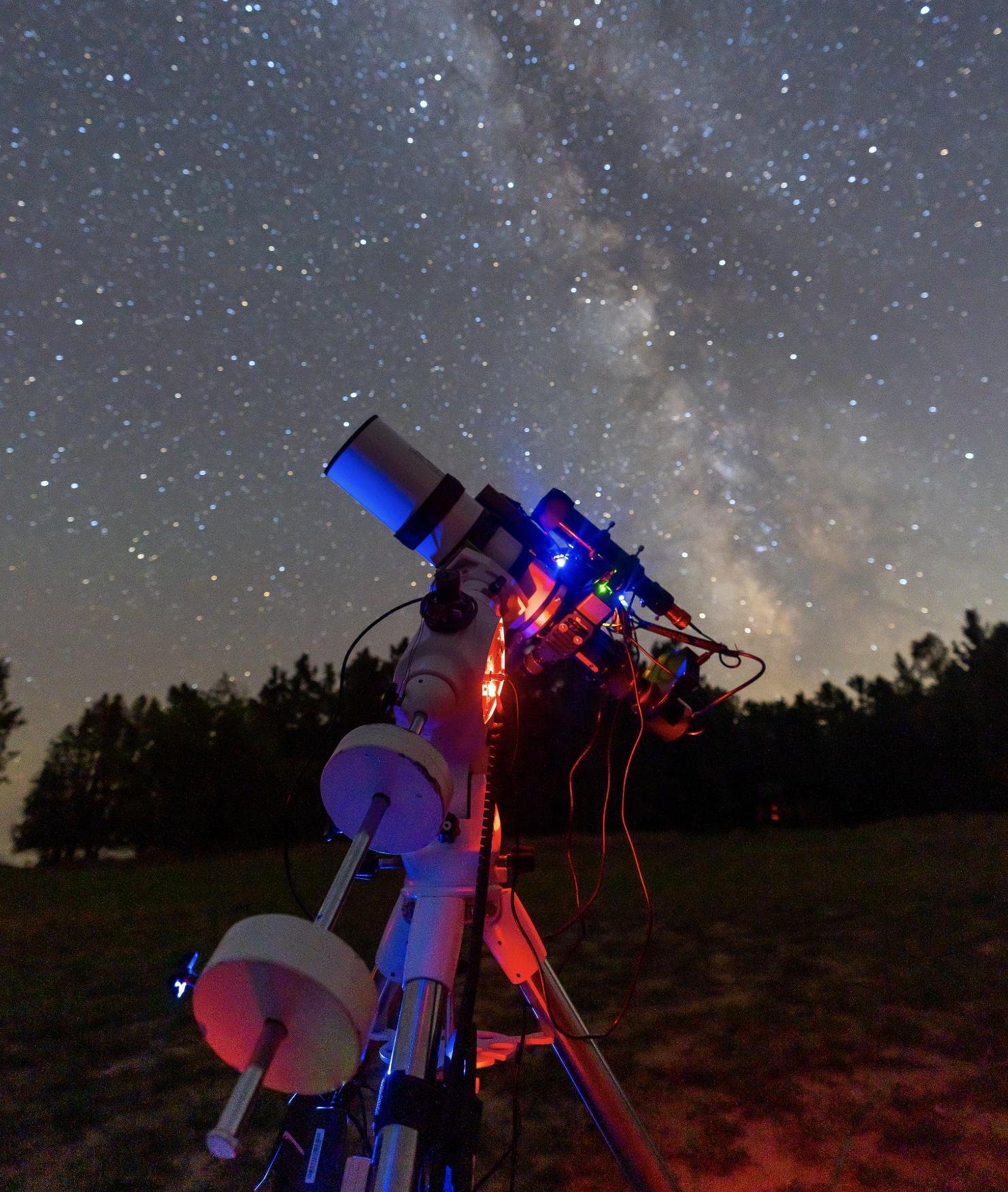 Optics
How Telescope Mounts Actually Work
Alt-azimuth, equatorial, and why tracking accuracy matters.
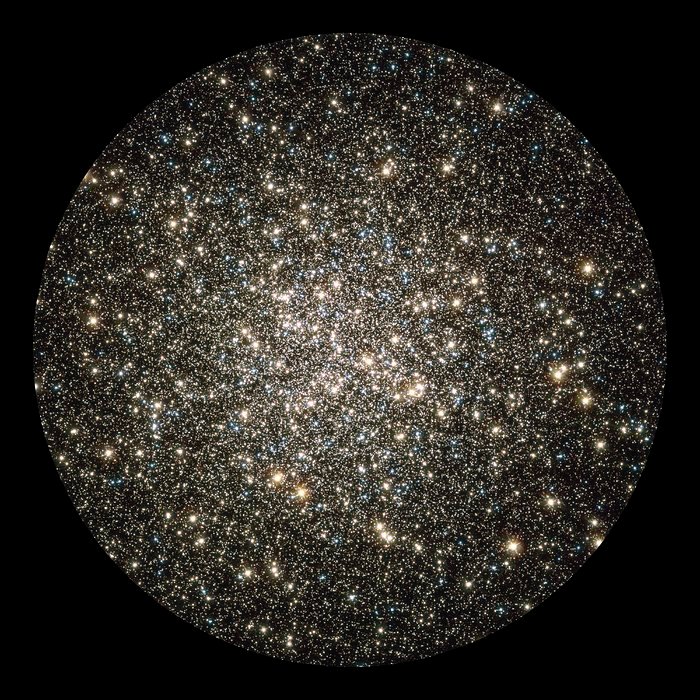 Beginner FoundationsIllustrative
7 Beginner Astronomy Mistakes That Waste Your First Telescope
The habits that quietly ruin a first year with a telescope.
Understanding the Sky
The sky conditions that shape every session, and the taxonomy behind what you're seeing.
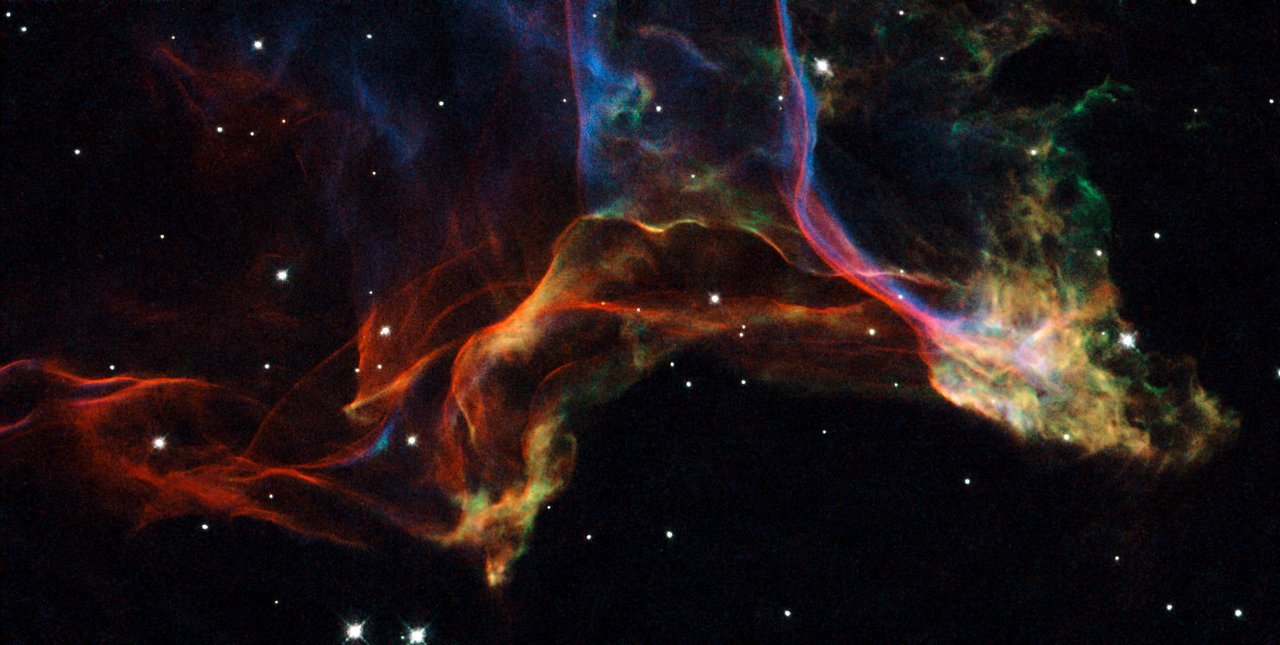 Sky ConditionsIllustrative
Understanding Bortle Scale and Light Pollution
Why your zip code matters as much as your telescope.
 Sky Conditions
What Can You Actually See From Bortle 8?
Honest, target-by-target expectations for a city sky.
 Object Types
Galaxies, Nebulae and Clusters: What's the Difference
A clear taxonomy of what you're actually looking at.
 Deep Questions
What Would You See If You Fell Into a Black Hole?
What general relativity actually predicts — and what's still genuinely unknown.
Terms worth actually understanding
Aperture
The diameter of a telescope's main lens or mirror — the biggest factor in how much light it gathers.
Focal Ratio
Focal length divided by aperture — determines how "fast" a scope is for imaging.
Bortle Scale
A nine-level scale describing how dark your sky actually is.
Periodic Error
Small tracking inaccuracies in a mount's drive gear, measured in arcseconds.