
What's worth looking at tonight, and how to find it
Session planning, deep-sky targets and the sky events actually worth setting an alarm for — organized by what you're trying to do, not by when we published it.
Session Planning
What's up, whether the sky will cooperate, and what to actually point at once you're out there.
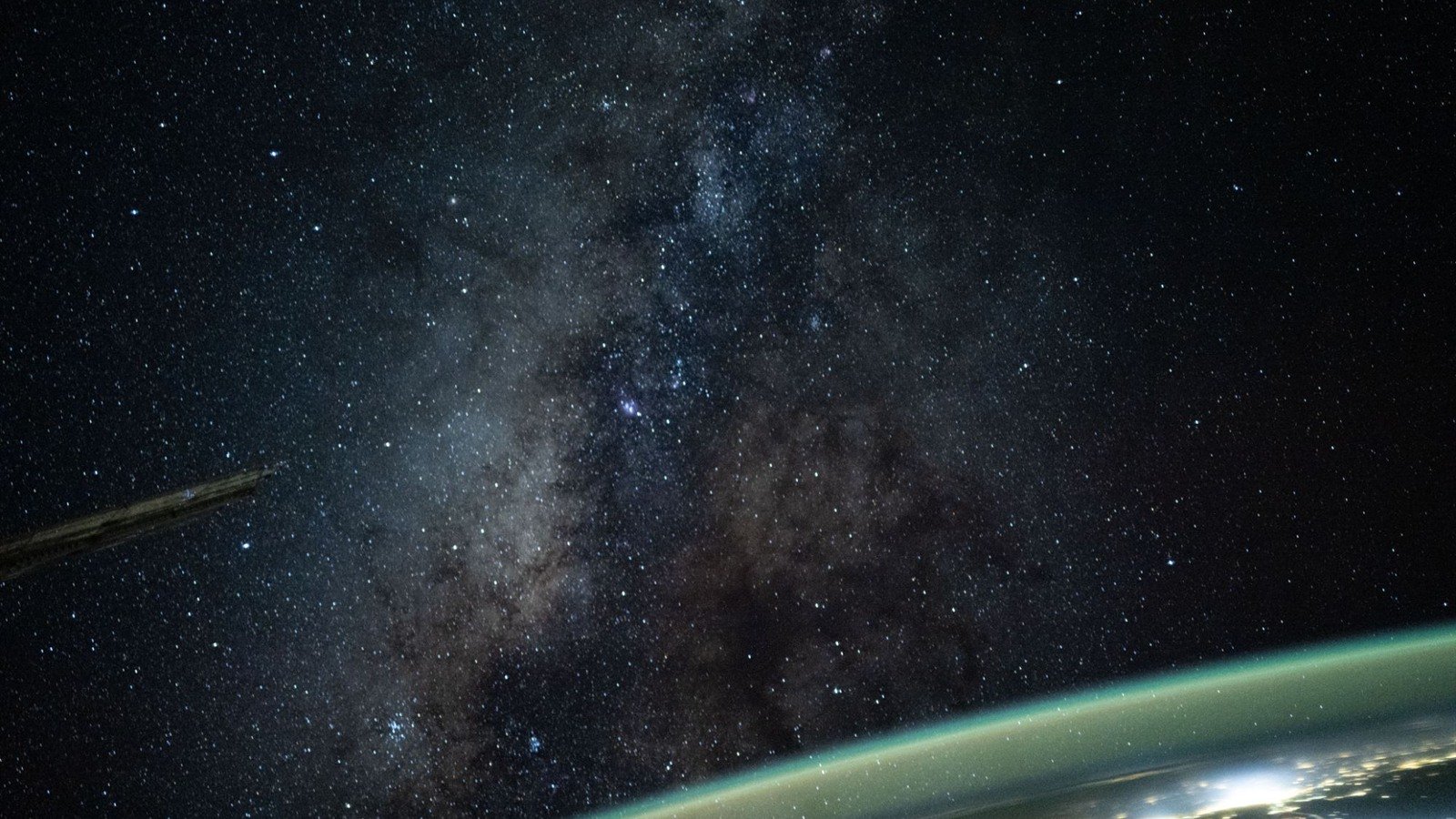 Planning
Best Astronomy Apps for Beginners (2026)
The five apps that cover sky identification, weather, framing and light pollution — between them, nearly everything a night's planning requires.
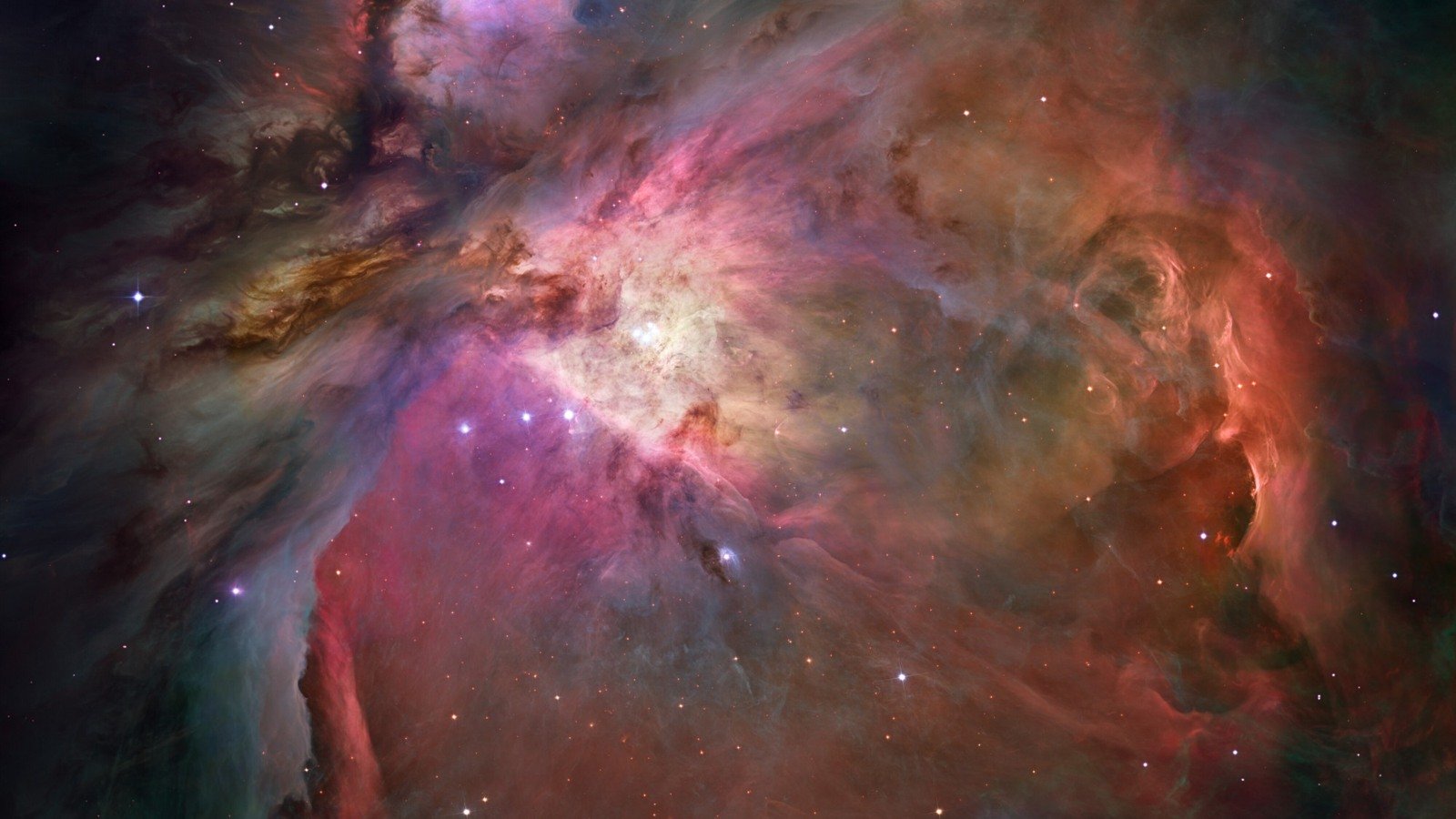 Target Catalog
A Field Guide to the Messier Catalog
110 objects, organized by how forgiving they are to find — the reference list to actually work from.
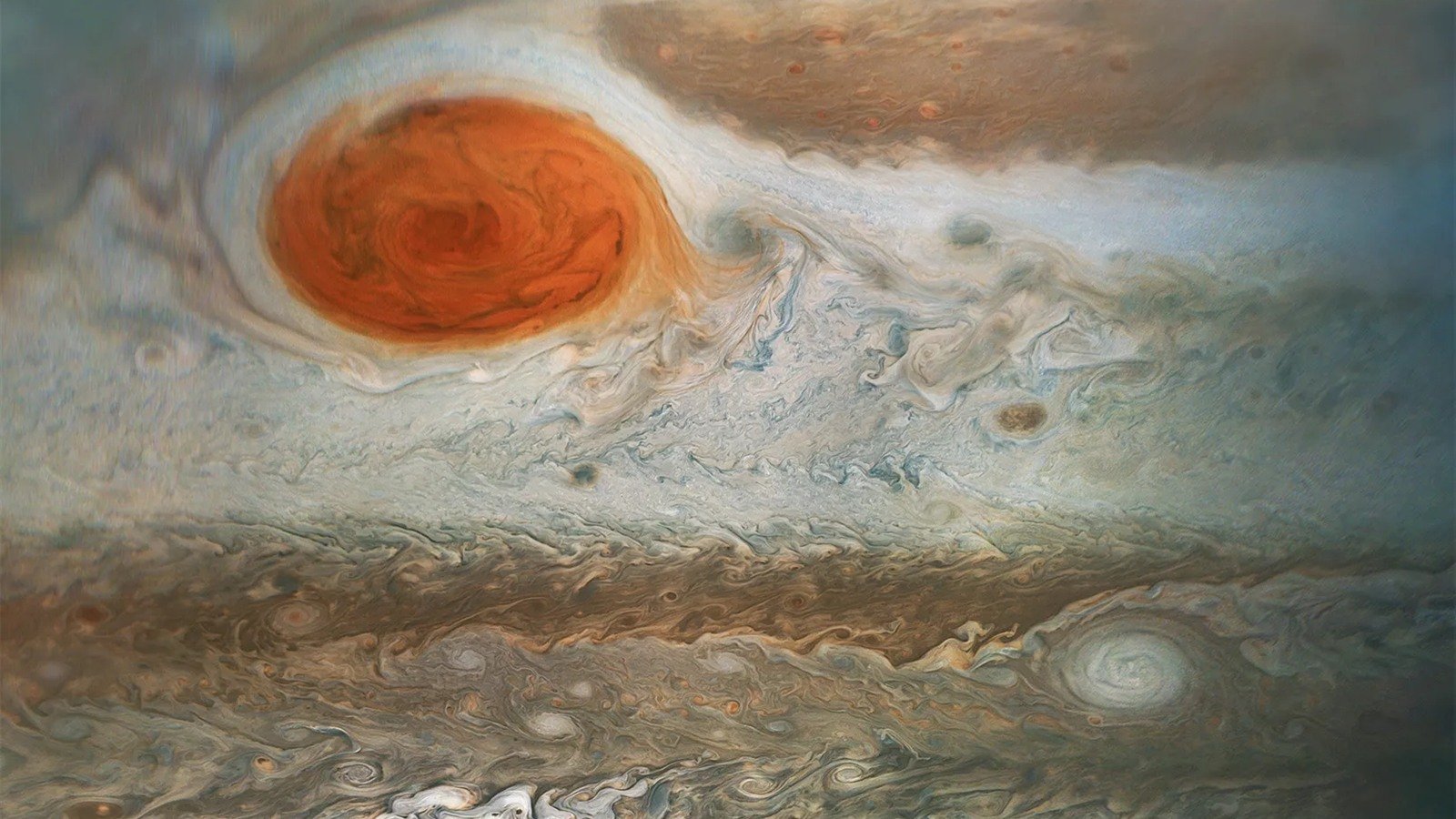
Planetary Observing
Setting expectations for what a telescope actually shows you, before disappointment does it for you.
Deep-Sky Targets
Individual object spotlights — what each one is, and how to actually find it. ORIVON Sightline tracks which of these are best this month.
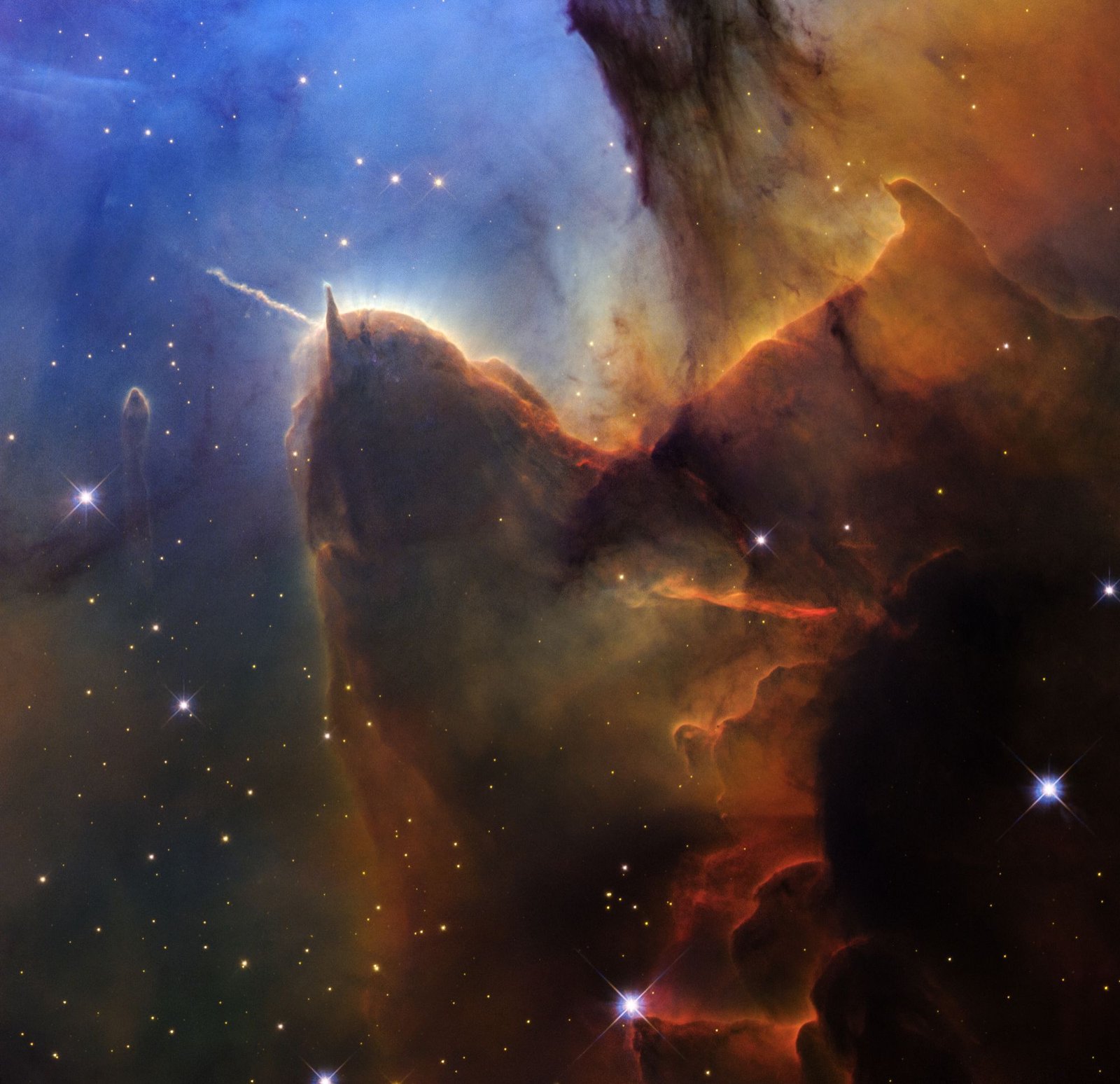 Nebula
Trifid (M20) & Lagoon (M8) Nebulae
Both sit in Sagittarius and fit in the same wide field.
Credit: NASA, ESA, STScI
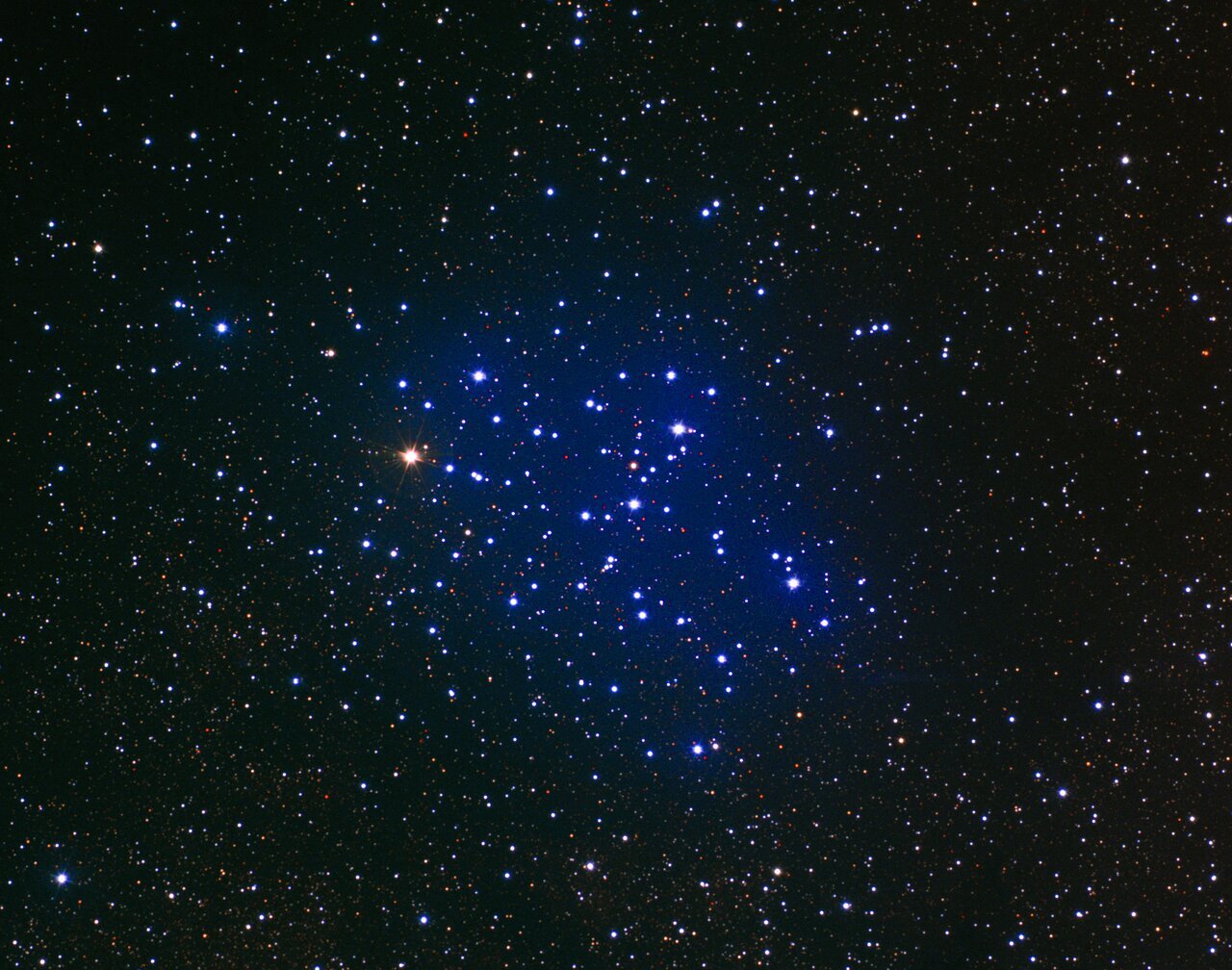 Cluster
The Butterfly Cluster (M6)
An open cluster in Scorpius, its brightest stars tracing a wing shape.
Credit: NOAO/AURA/NSF
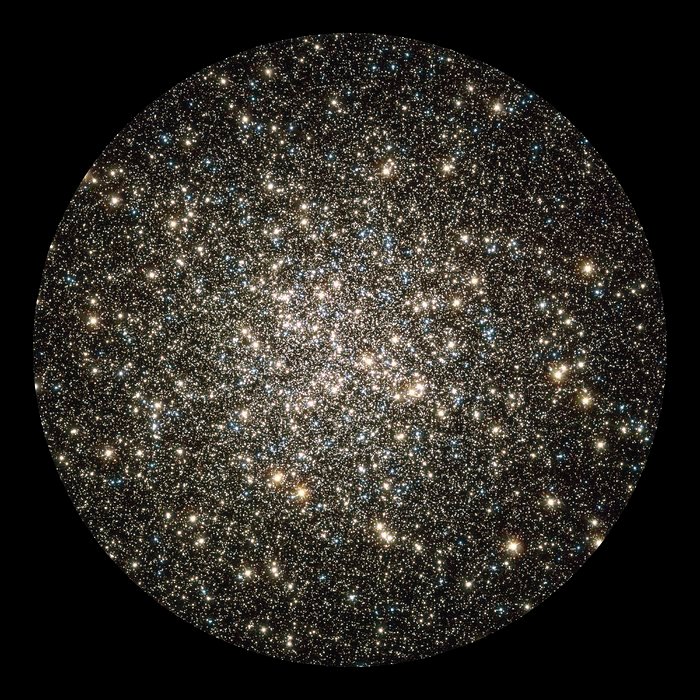 Cluster
The Hercules Cluster (M13)
Rewarding even for modest aperture, overhead for most of the night.
Credit: NASA, ESA, Hubble Heritage Team (STScI/AURA)
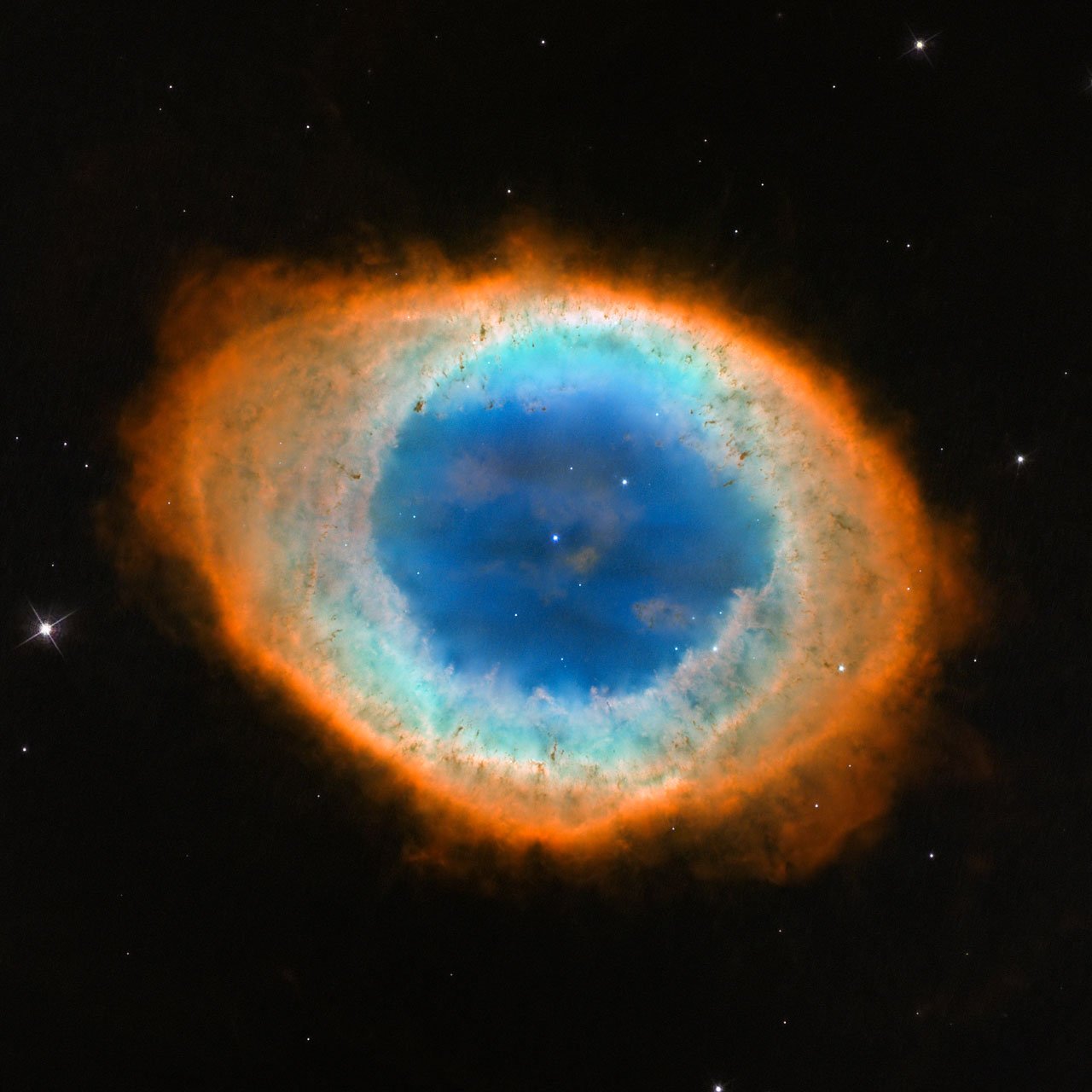 Nebula
The Ring Nebula (M57)
Compact but distinct, even at moderate magnification.
Credit: NASA, ESA, Hubble Heritage (STScI/AURA)-ESA/Hubble
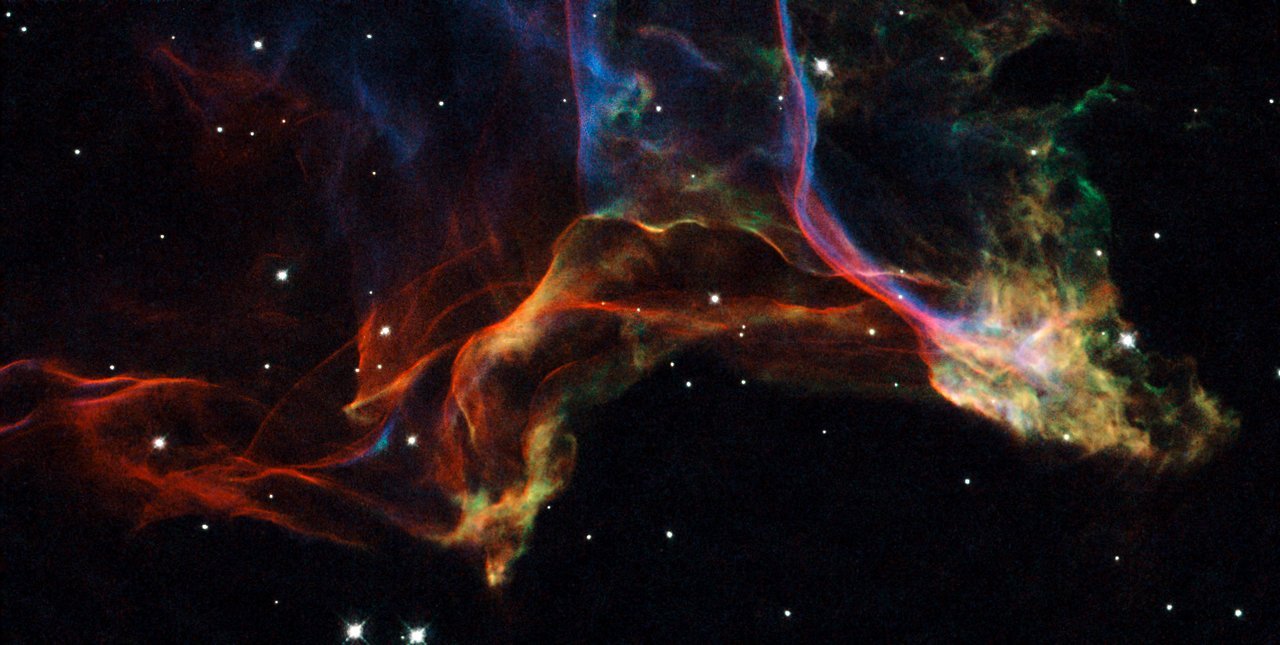 Nebula
The Veil Nebula
A wide, faint supernova remnant that benefits from a UHC or OIII filter.
Credit: NASA, ESA, Hubble Heritage Team
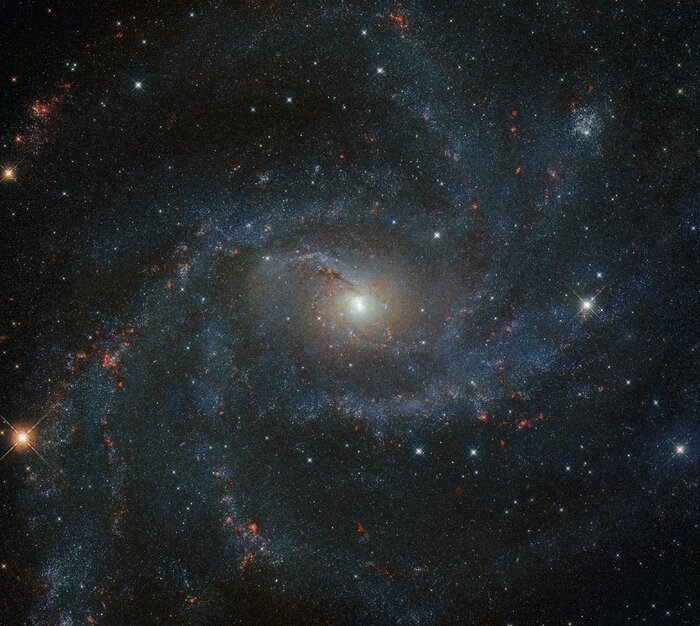 Galaxy
NGC 6946 — the "Fireworks Galaxy"
Demands genuinely dark skies, but rewards the effort.
Credit: NASA/ESA Hubble
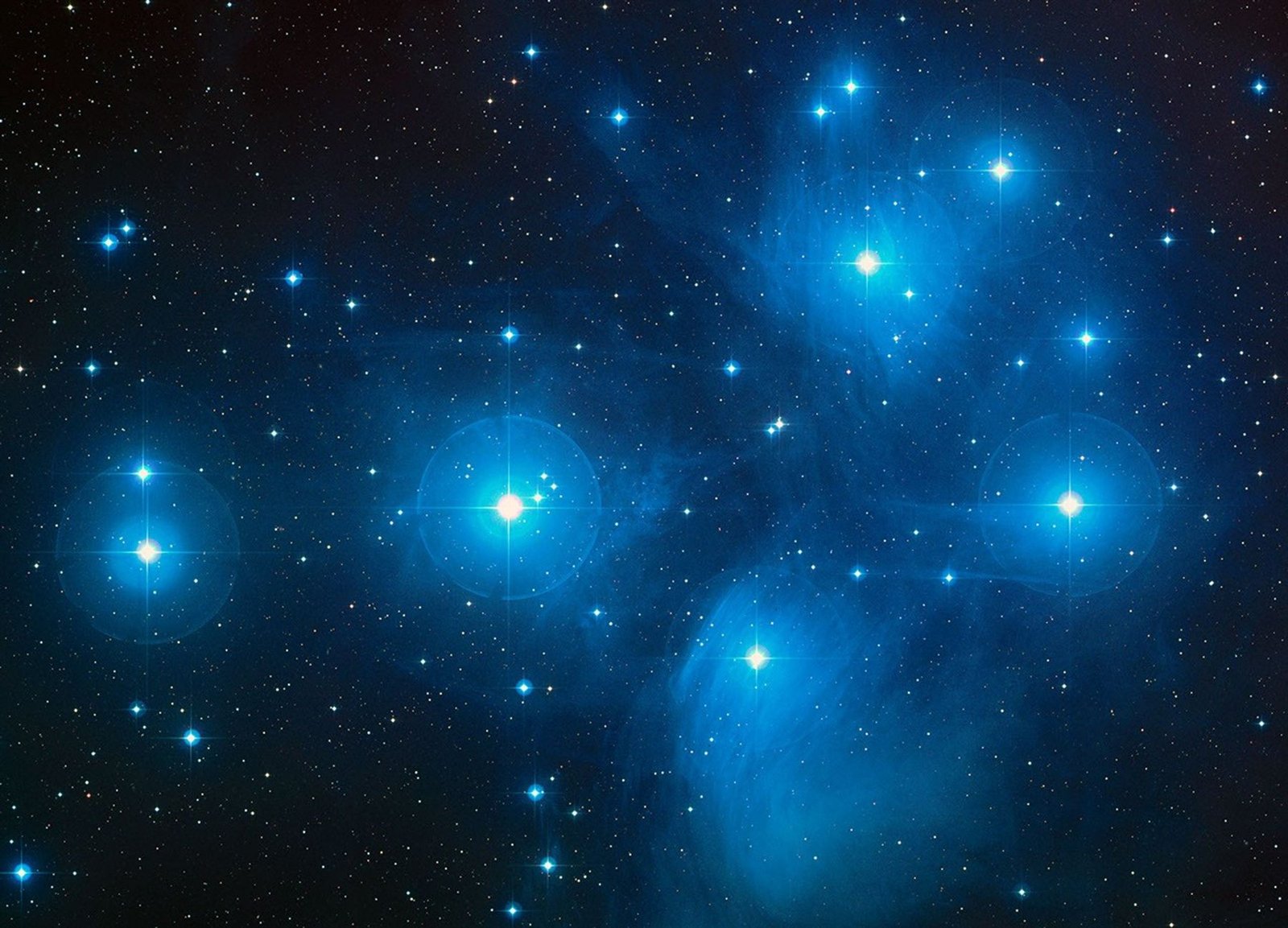 Cluster
The Pleiades (M45)
Over a thousand stars, though only a handful carry the "Seven Sisters" name.
Credit: NASA, ESA and AURA/Caltech
Events & Eclipses
The sky events that only come around occasionally — and what you actually need to watch one safely.
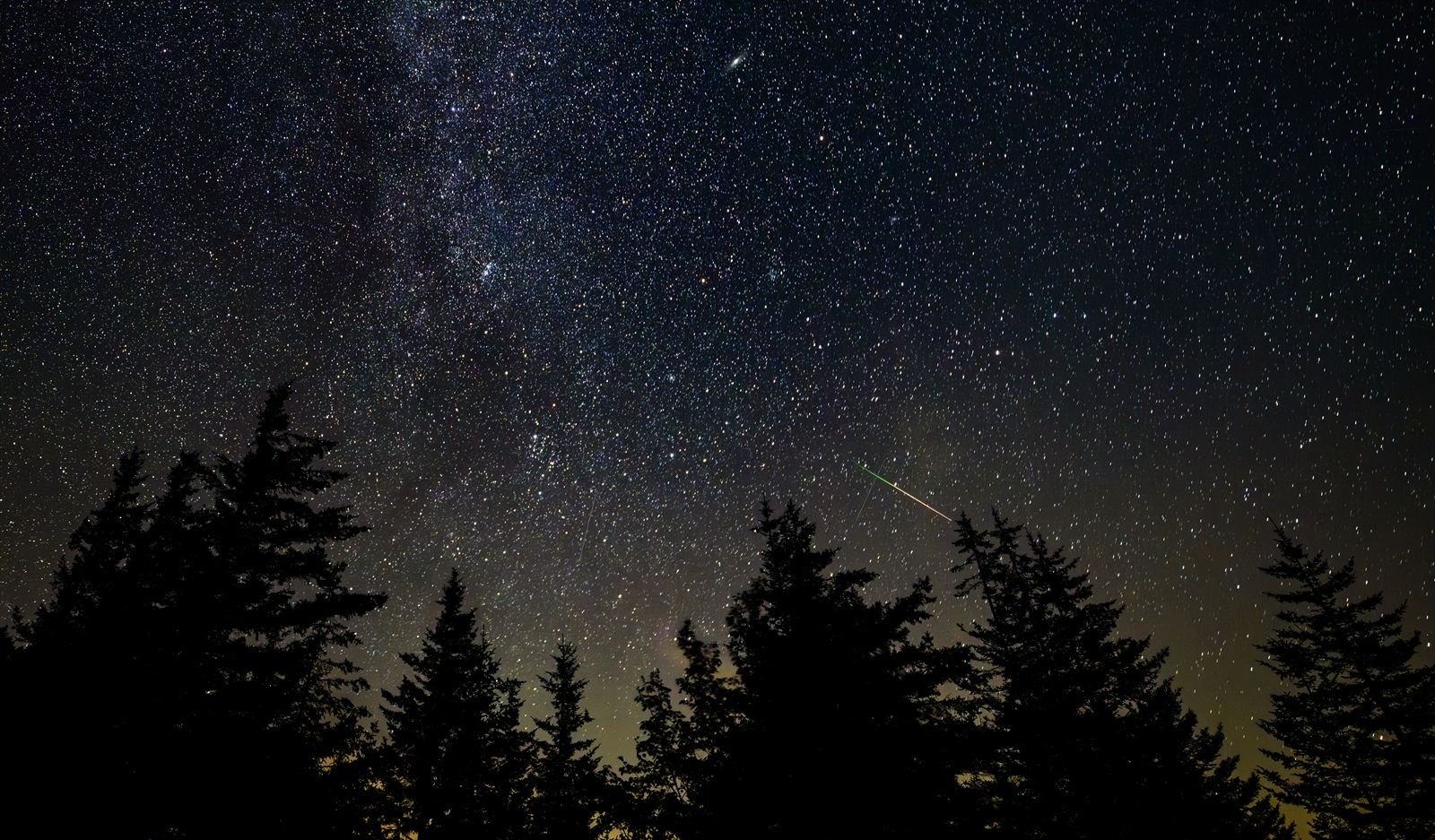 Meteor Shower
Orionid Meteor Shower 2026: Peak, Moon and How to Watch
NASA puts the peak on October 21 to 22, but a bright waxing gibbous Moon will hide fainter meteors. When to look, where, and how to photograph them.
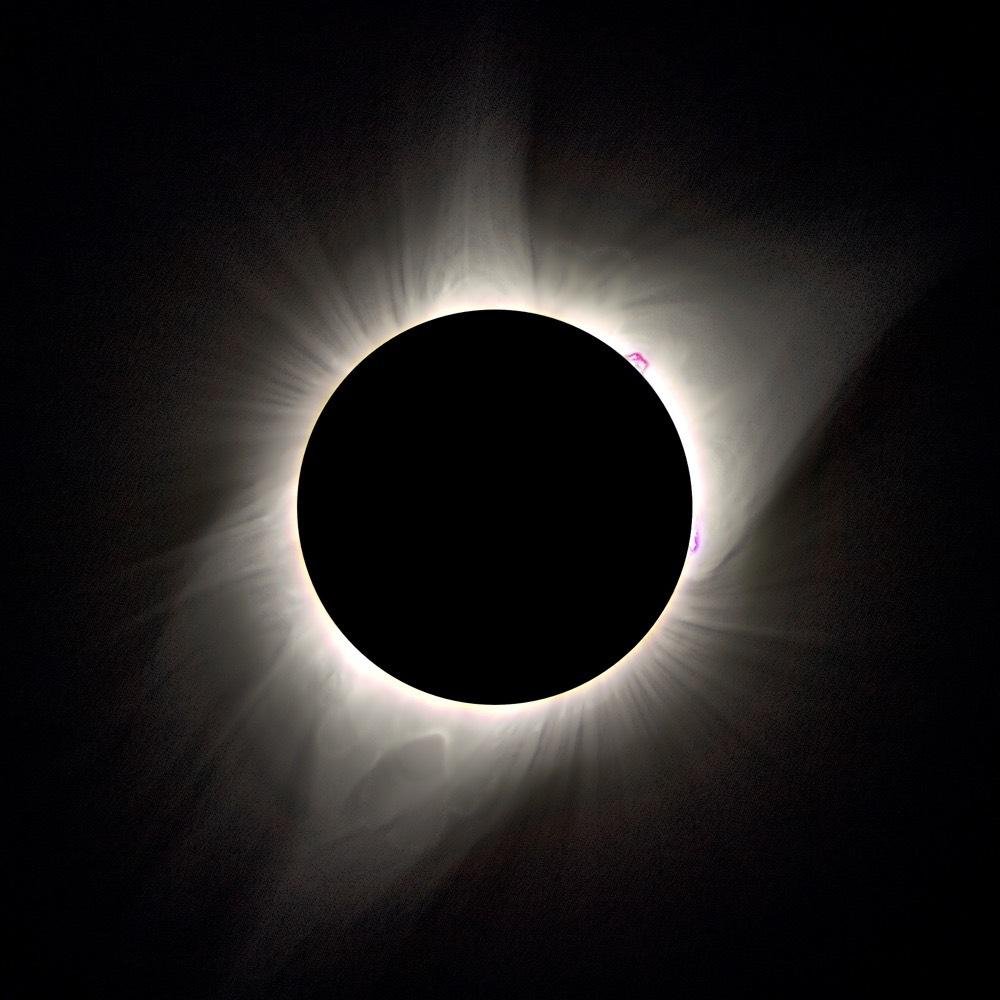 Eclipse Archive
Total Solar Eclipse 2026: Path, Times, Safety and What to Expect
Archived pre-event guide: where totality fell, how timing was checked, and what totality looked like.
 Safety
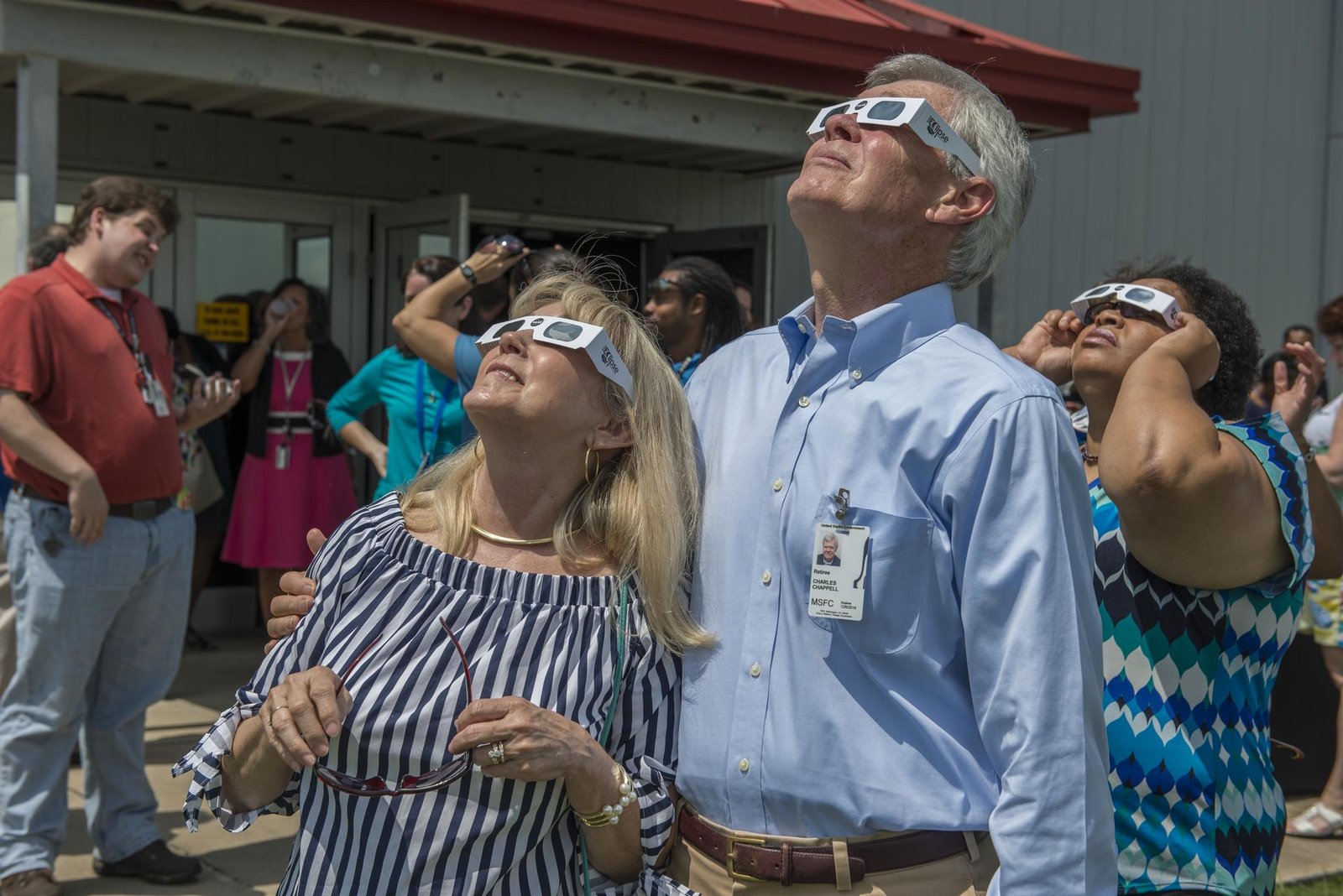
How to Observe a Solar or Lunar Eclipse Safely
Timing, equipment, and the details most guides skip.