Mission Control
Your sky. Your location. Right now.
What’s up right now
🌙 Moon Tonight
🪐 Planets Tonight
🎯 Best Target Tonight
☁️ Tonight's Forecast
Set your location to load tonight's forecast.
Ranked for your location, right now
Expand any target for its live altitude chart, compass direction, rise/transit/set times and why we recommend it.
Set your location above to calculate tonight’s sky.
This Month's Sky
Everything worth knowing about the sky this month, briefed once and done well — a total solar eclipse, the Perseids at their peak, and the deep sky targets worth chasing in between.
Last verified: August 26, 2026.
Where to point your optics this month
This month's best deep-sky window ran August 8–16, bracketing the New Moon — the same night as the total solar eclipse and the Perseids peak. That window has passed, and the sky is a poor bet for faint detail right now: the Moon is waxing toward August 28's Full Moon and partial lunar eclipse. Treat the targets below as this month's picks rather than tonight's plan.
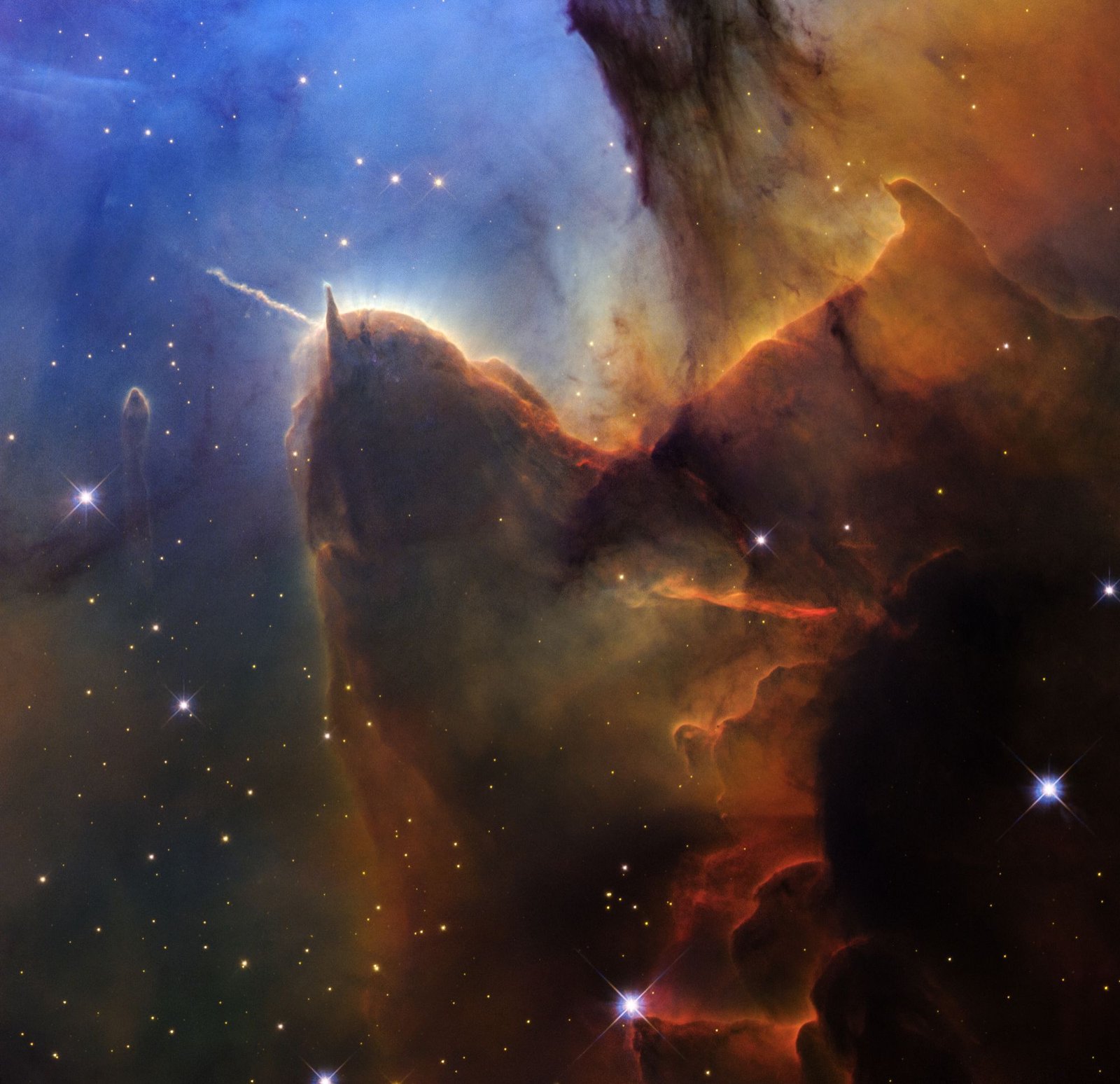 Nebula
Trifid (M20) & Lagoon (M8) Nebulae
M20 / M8 · Sagittarius · Intermediate
Small–medium telescope, wide-field eyepiece — Aug 8–16, after full dark. Best from the Southern Hemisphere and low-to-mid northern latitudes.
Credit: NASA, ESA, STScI
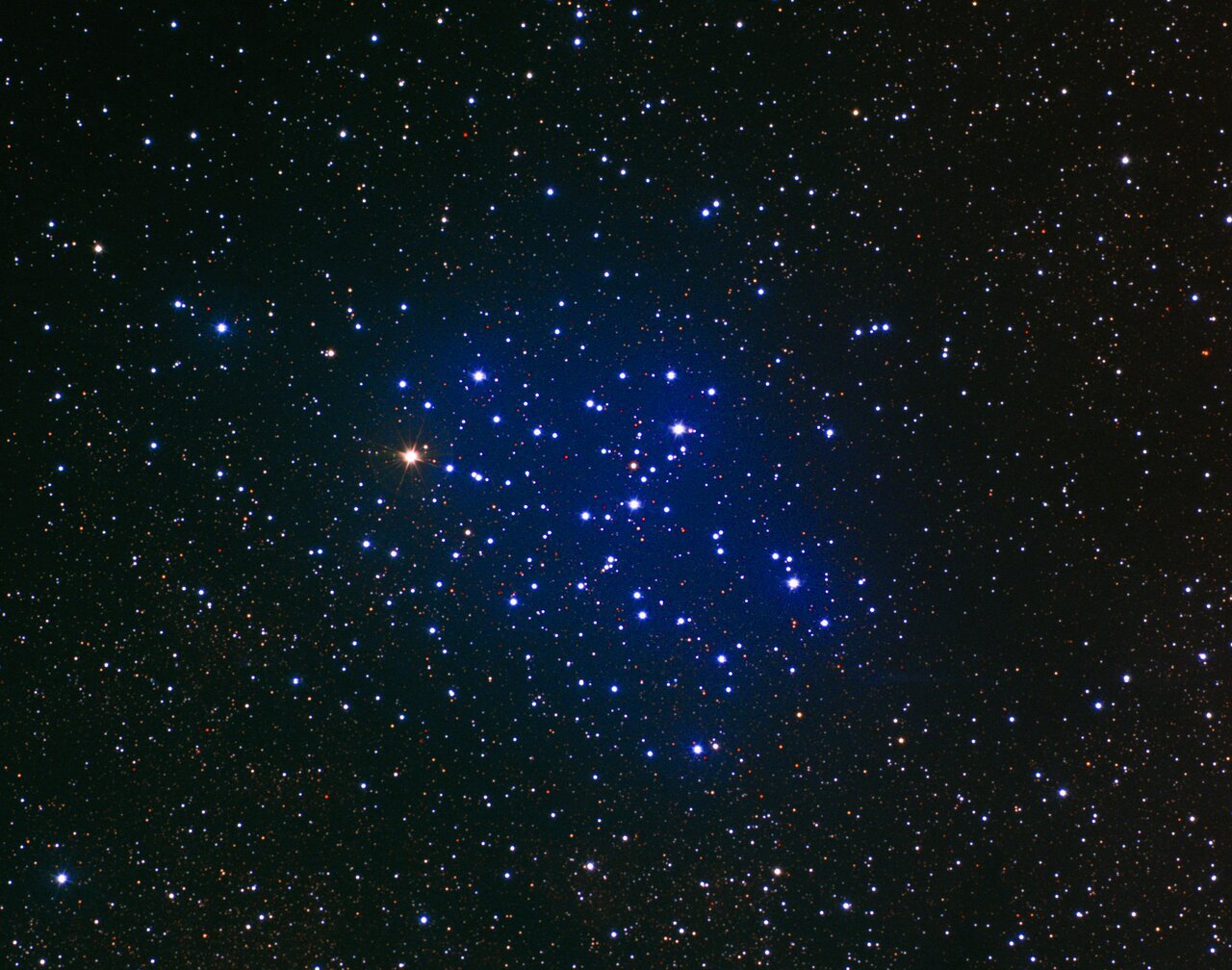 Cluster
The Butterfly Cluster (M6)
M6 · Scorpius · Beginner
Binoculars or small telescope — Aug 8–16, early evening. Best from the Southern Hemisphere and low-northern latitudes.
Credit: NOAO/AURA/NSF
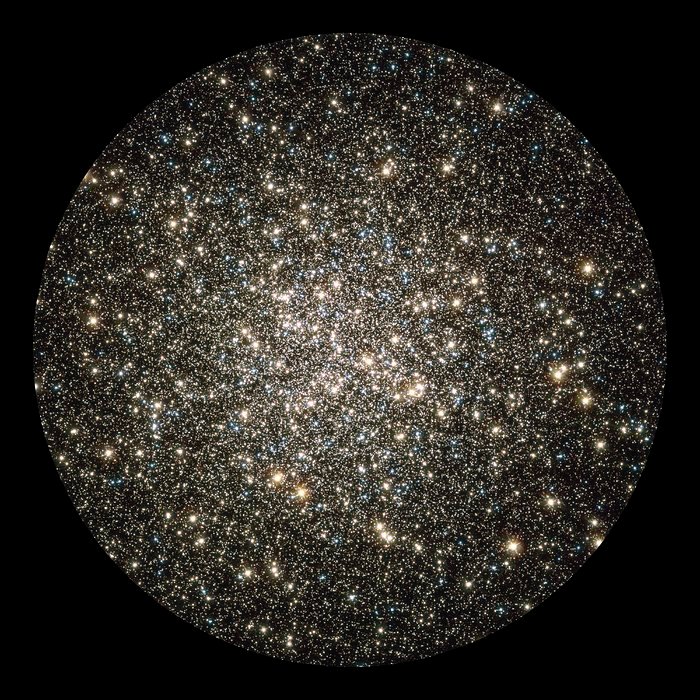 Cluster
The Hercules Cluster (M13)
M13 · Hercules · Beginner
Small telescope — Aug 8–16, overhead for most of the night. Northern Hemisphere.
Credit: NASA, ESA, and the Hubble Heritage Team (STScI/AURA)
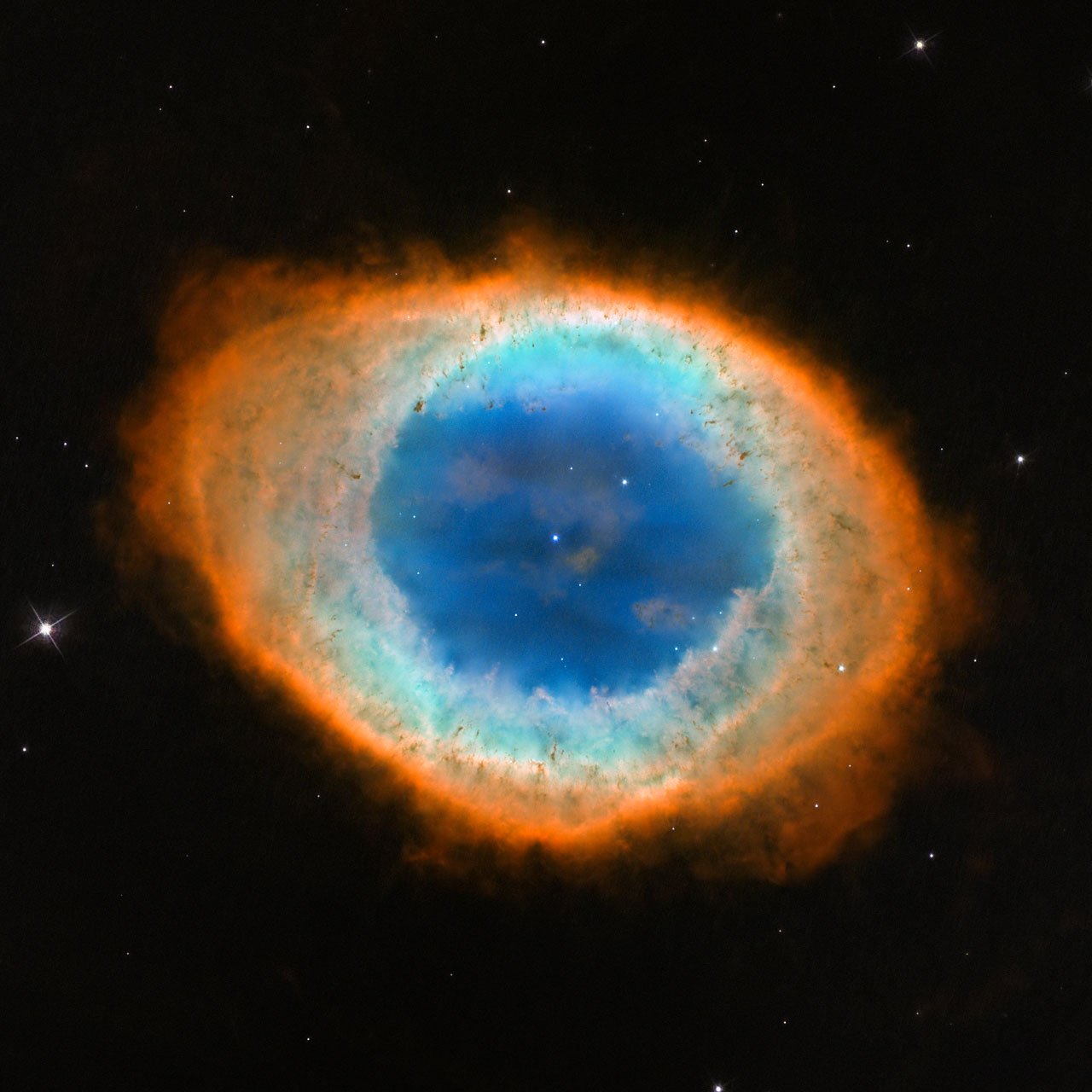 Nebula
The Ring Nebula (M57)
M57 · Lyra · Intermediate
Medium telescope, moderate magnification — Aug 8–16, high overhead after dark. Northern Hemisphere.
Credit: NASA, ESA and the Hubble Heritage (STScI/AURA)-ESA/Hubble Collaboration
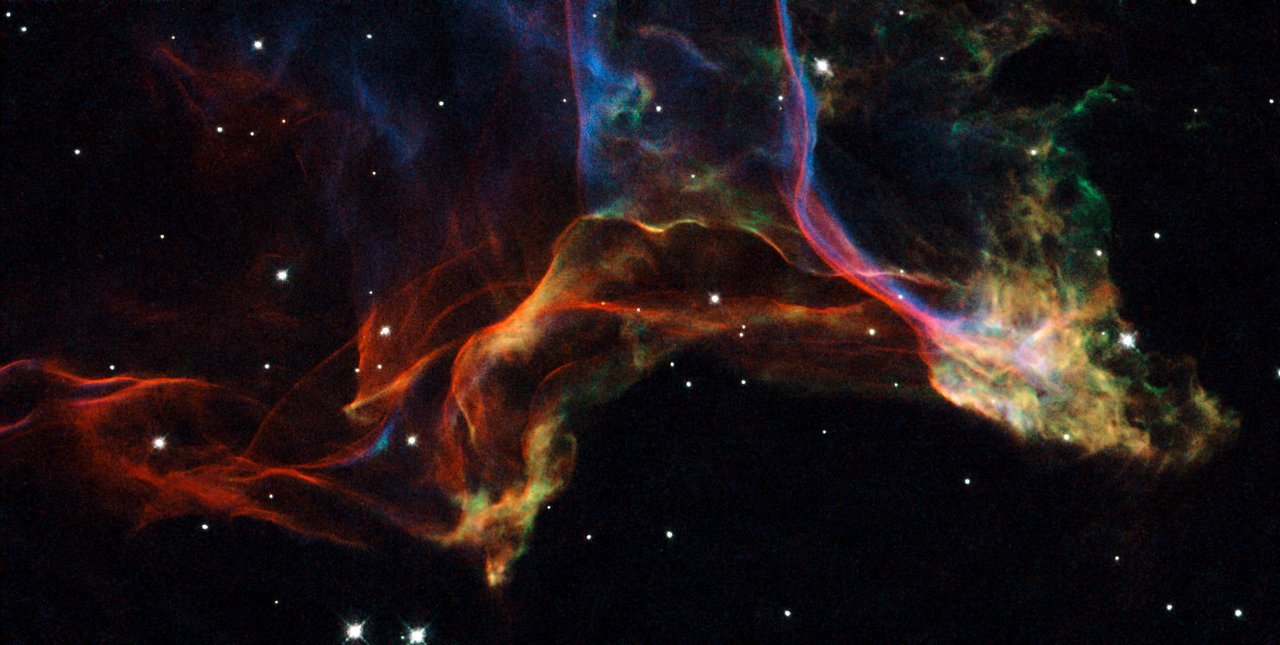 Nebula
The Veil Nebula
NGC 6960 / NGC 6992 · Cygnus · Advanced
UHC or OIII narrowband filter recommended — Aug 8–16, from genuinely dark skies. Northern Hemisphere. · recommended filter
Credit: NASA, ESA, Hubble Heritage Team
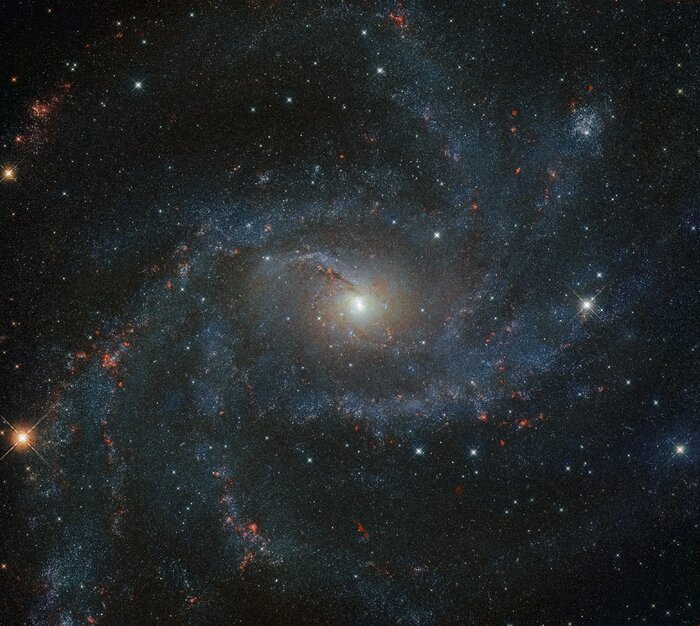 Galaxy
NGC 6946 — the "Fireworks Galaxy"
NGC 6946 · Cepheus · Advanced
Larger aperture, dark skies — Aug 8–16, circumpolar for most northern latitudes. Northern Hemisphere.
Credit: NASA/ESA Hubble
🌞 Solar & Lunar Eclipses
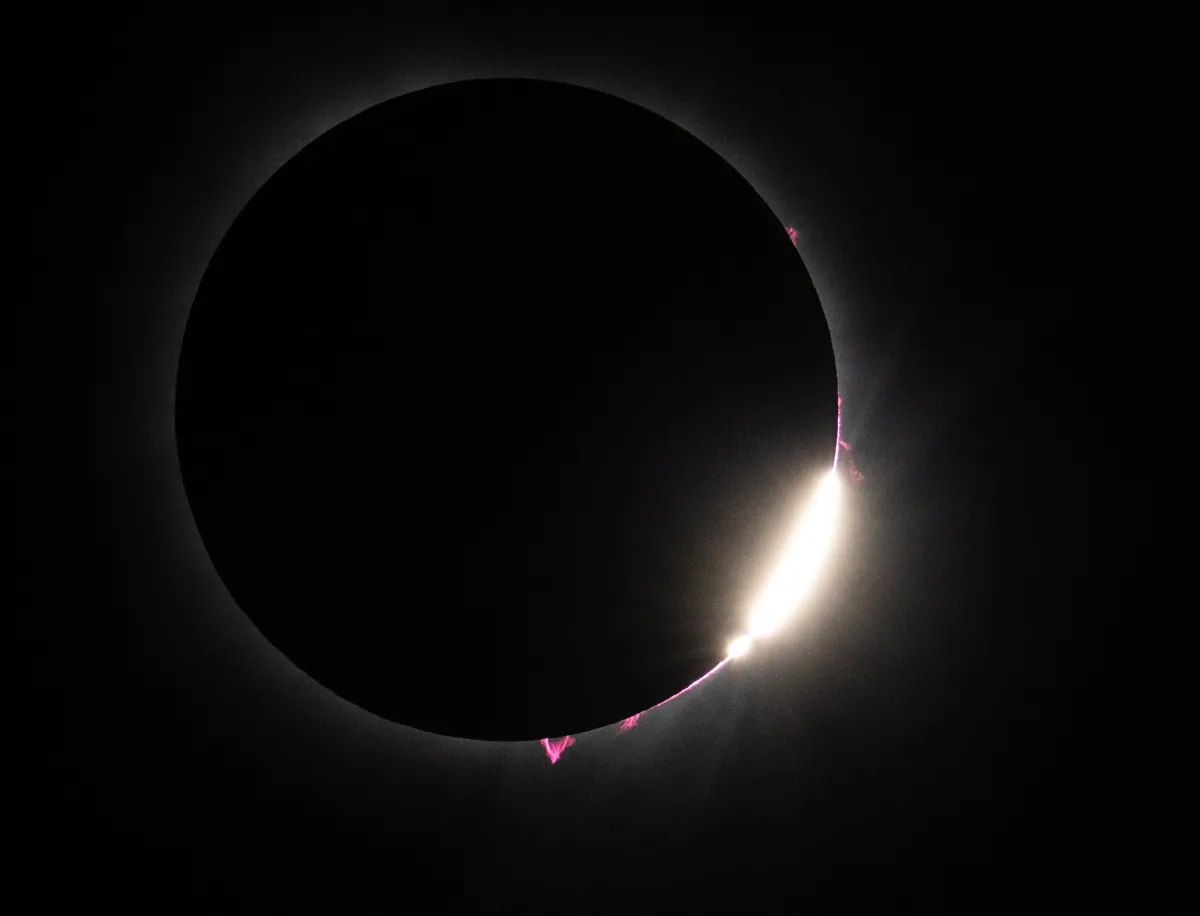
Total Solar Eclipse · August 12, 2026
Path of totality crosses the Arctic, Greenland, Iceland, northern Spain and the extreme northeast of Portugal — the first total solar eclipse visible from mainland Europe since 1999. A substantial partial eclipse is visible across the rest of Europe, North Africa and parts of eastern North America. Never look at any partial phase without an ISO 12312-2 certified solar filter. Totality itself — only if you are physically inside the path — is the sole moment safe to view unfiltered.
Total solar eclipse, April 8, 2024 (illustrative — not the August 2026 eclipse). Credit: NASA
Partial Lunar Eclipse · August 28, 2026
A deep partial lunar eclipse visible from the nighttime side of Earth, including the Americas, Europe and Africa. Safe to view with the naked eye — no filter needed.
📅 Monthly Astronomy Calendar
🌠 Sky Events
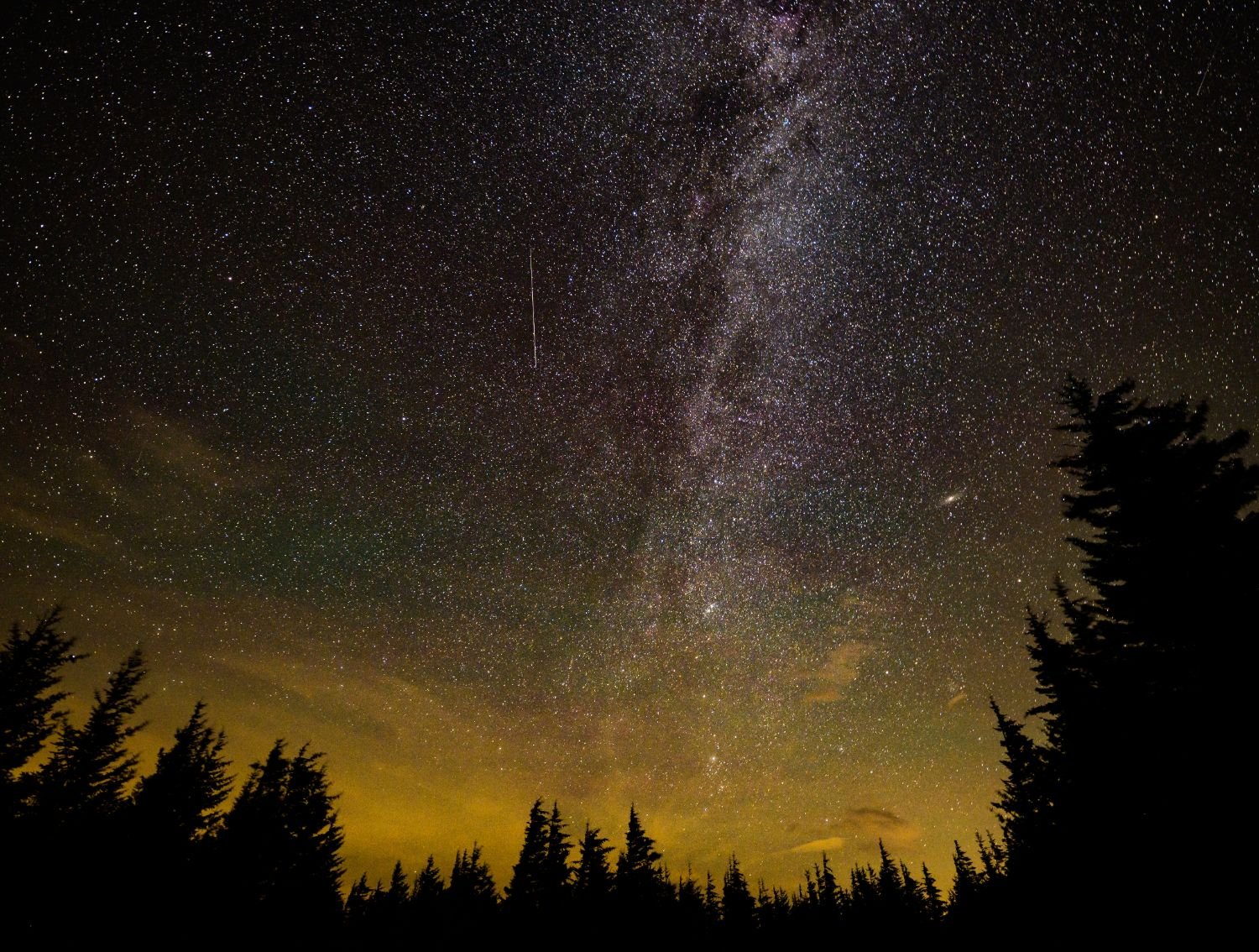
Illustrative photo from a previous meteor shower. Credit: NASA/Bill Ingalls
What mattered heading into August
Starship Flight 13 Splashes Down Intact
For the first time, the vehicle's heat shield survived a full ocean landing intact — full recap linked below.
July 25, 2026
NROL-95 Launches Under NSSL Phase 2
The third National Reconnaissance Office payload flown this year under the Space Force's Phase 2 launch procurement.
July 29, 2026
SpaceX's 90th Orbital Launch of the Year
The Starlink 17-52 mission lifted off from Vandenberg, keeping pace with the busiest annual launch cadence in the company's history.
July 31, 2026
CRS-35 Resupply Mission Targets August
SpaceX's next Commercial Resupply Services flight is scheduled no earlier than this month, delivering supplies and science to the ISS.
NET August 2026
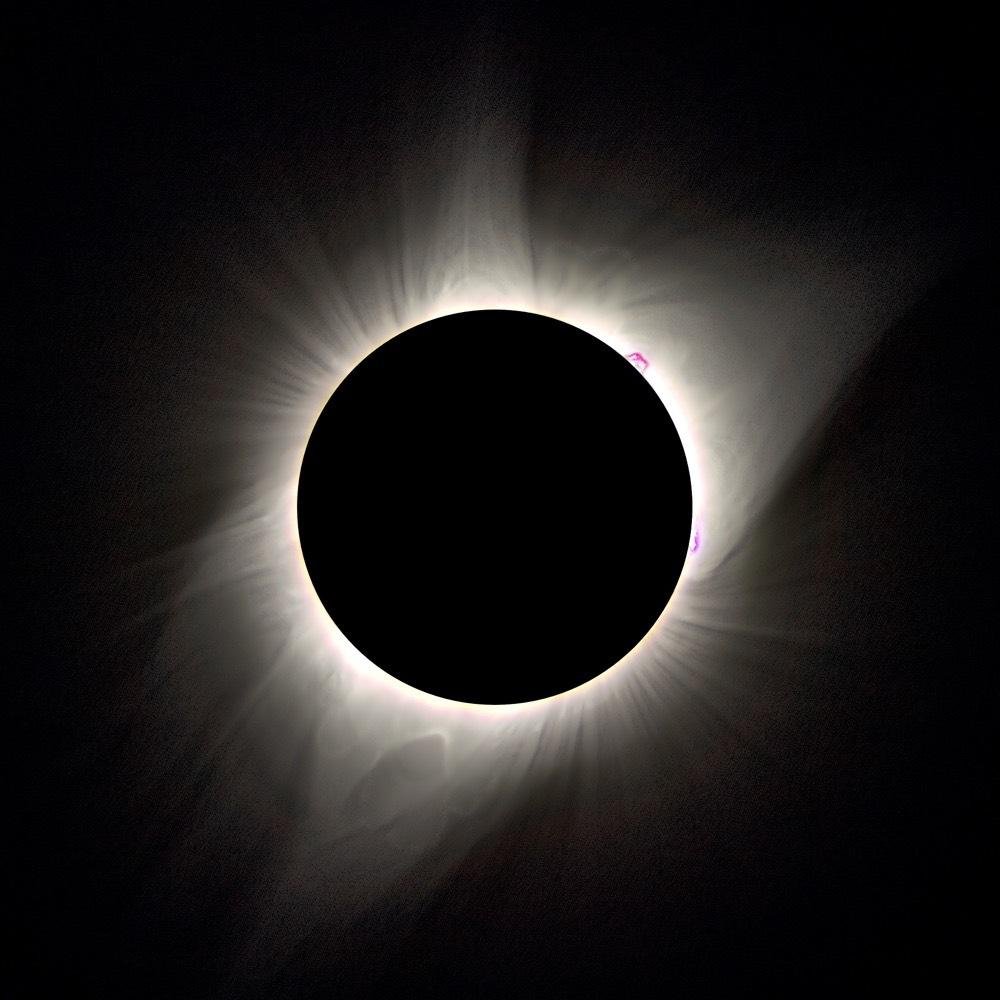
The corona observers in Iceland and northern Spain saw on August 12
This isn't the 2026 eclipse — it's an illustrative shot from 2017 — but it's the same sight totality brought to Iceland and northern Spain on August 12: the Sun's corona, bare to the eye for under two and a half minutes.
Total solar eclipse, August 21, 2017. Credit: NASA / Carla Thomas
"The best night I had this month wasn't the clearest one — it was the one where I finally slowed down enough to actually look, instead of just capturing."
— Santiago Iván Miró, founder and editor of ORIVON
Tell us what you're working with
⭐ Tonight's Session
1. What are you doing?
2. Equipment
3. Sky
4. Time available
5. Start
6. Interested in