Vaonis Vespera II Review: What Buyers and Critics Are Saying
This article contains affiliate links. If you buy through them, ORIVON may earn a commission at no extra cost to you.
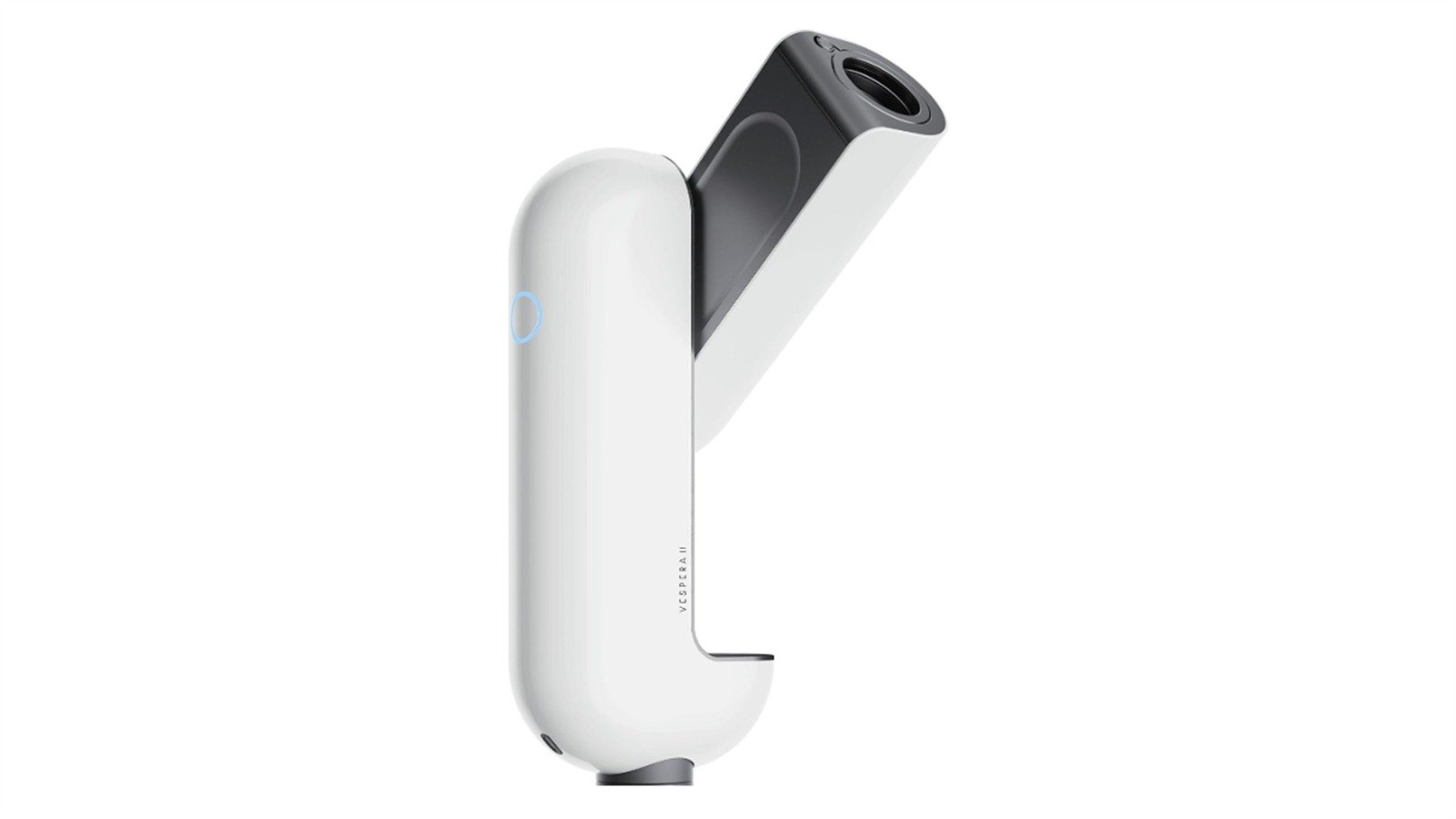
The Vaonis Vespera II, a compact smart telescope built around portability and design simplicity.
Credit: Vaonis
Overview
The Vespera II takes the opposite approach from most smart telescopes chasing maximum aperture: it's built to be small enough to disappear into a backpack, with a design and app experience that reviewers consistently describe as the most polished in the category. Its standout feature is CovalENS, Vaonis's technology for stitching live exposures into wide panoramic mosaics — a way of extending its modest native field of view without physically moving the telescope.
This assessment draws on the Vespera II's manufacturer specifications and recurring patterns across published reviews and buyer feedback, organized around the questions someone actually comparing smart telescopes would ask.
Technical Specifications
| Aperture | 50mm |
| Focal Length | 250mm |
| Sensor | Sony IMX585, 8.3 MP (up to 24 MP with CovalENS mosaic mode) |
| Weight | 5 kg (11 lbs) |
| Battery Life | Approx. 4 hours |
| Build | Water-resistant, ultra-portable design |
| Price | Approximately $1,590 USD |
Pros and Cons
Drawing on published tests and recurring themes in buyer feedback, a few points come up consistently:
What Reviewers Praise
- The lightest and most portable option among premium smart telescopes
- Design and the Singularity app consistently praised for elegance and simplicity
- CovalENS mosaic technology, described as a genuinely unique capability in the category
- Strong value relative to pricier options like the eQuinox 2 or Origin Mark II
Common Criticisms
- A smaller 50mm aperture limits detail compared to larger-aperture competitors
- Shorter battery life, around 4 hours, than most rivals in the category
- A narrower native field of view unless the mosaic mode is used
Editor's Verdict
Taken together, the published reviews and buyer sentiment position the Vespera II as the smart telescope most commonly recommended when portability and design are the priority, rather than raw aperture. The CovalENS mosaic feature is consistently described as a meaningful way to work around the smaller sensor's native field of view, not just a marketing checkbox. Buyers chasing maximum light-gathering power or all-night battery life are the group most likely to look elsewhere.
Who It's For
Based on this editorial analysis of the available reviews and specifications — not on direct testing by ORIVON — the Vespera II appears to make the most sense for buyers who prioritize portability, ease of use and design above raw aperture, including travelers and anyone who wants a smart telescope that sets up in minutes without feeling like a piece of equipment to haul around. Imagers chasing maximum detail or an all-night battery are likely better served by a larger-aperture model.
How It Compares
| Model | Aperture | Weight | Price |
|---|---|---|---|
| Vaonis Vespera II | 50mm | 5 kg | ~$1,590 |
| Unistellar eQuinox 2 | 114mm | 9 kg | ~$2,499 |
| Celestron Origin Mark II | 152mm (6") | 7.3 kg | ~$4,299 |
Frequently Asked Questions
It's Vaonis's technology for automatically stitching multiple live exposures into a single wide panoramic image, extending the effective field of view beyond what the sensor captures in one frame.
Reviewers report solid results on brighter deep sky objects, though fainter or smaller targets show noticeably less detail than larger-aperture smart telescopes capture.
No — like other smart telescopes in this category, it has no eyepiece. All viewing and imaging happens through the Singularity app.