Top Telescope Accessories Worth Owning
This article contains affiliate links. If you buy through them, ORIVON may earn a commission at no extra cost to you.
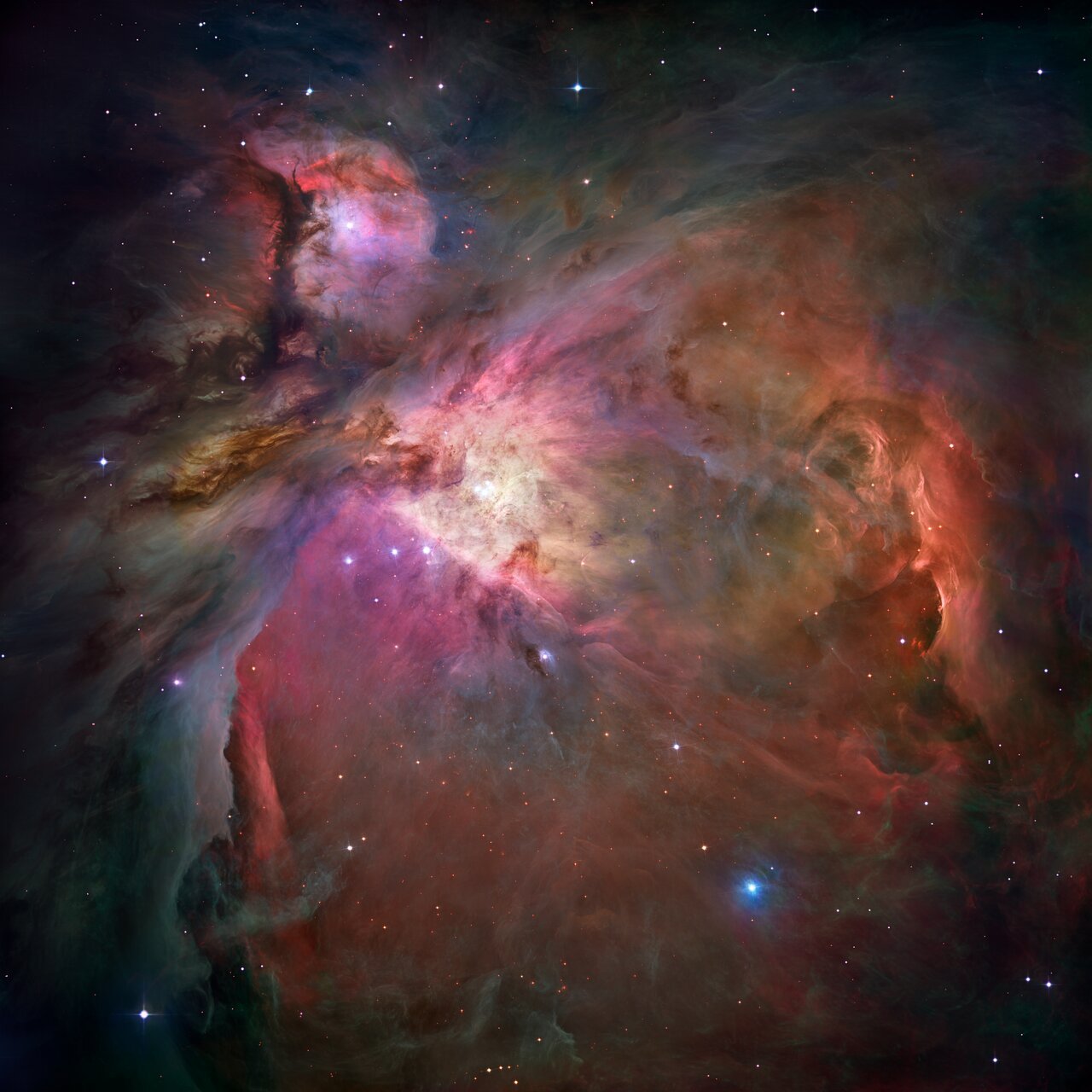
Illustrative image.
Credit: NASA, ESA, M. Robberto (STScI/ESA)
A Short List, Not a Shopping Spree
Accessory spending in this hobby tends to happen in one of two ways: all at once, in an overwhelming first-month splurge, or randomly, one impulse purchase at a time with no real plan. Neither serves you well. What actually moves the needle is a short list of upgrades, bought in an order that matches what's actually limiting your views right now — not a pile of gear picked because it was on sale.
We've researched each of the categories below in full elsewhere on ORIVON. This guide exists to organize that research into one place and put it in a sensible buying order — it isn't a repeat of that detail, just a map to it.
1. Light Pollution Filters
If you observe or image from anything short of a dark-sky site, a filter is very often the single highest-impact purchase on this list — the right type, matched to your sky's Bortle class, recovers contrast that no eyepiece or camera upgrade can. The wrong type for your sky, however, is one of the most common ways beginners waste money on an accessory that never earns its keep.
Read the full filter guide: UHC, Dual-Band and Broadband explained →
2. A Wide-Field Eyepiece
The Plössl eyepiece bundled with most telescopes works, but shows a narrow, tunnel-like field of view that makes large nebulae and open clusters feel cramped. A wide-field eyepiece is the upgrade reviewers most often point to as the moment a telescope starts feeling genuinely immersive rather than merely functional — and it's a purchase that stays useful even if you later upgrade the telescope itself.
Read the full SVBONY SV154 26mm eyepiece review →
3. Autoguiding or a Star Tracker
Which of these you need depends entirely on what you're imaging. A star tracker is the right tool for wide-field camera-and-lens astrophotography; an autoguider is a narrower, more advanced correction system for telescope-based deep-sky imaging once a mount's own tracking starts showing round stars turn oval over longer exposures. Buying the wrong one for your actual setup is a common, avoidable expense.
Read the full guide: Autoguiders vs. Star Trackers →
4. A Proper Case
The least exciting item on this list and one of the most underrated. Eyepieces and filters are precision components that don't survive a drop onto a driveway, and a dedicated case with die-cut foam does double duty protecting gear from both physical damage and the dew and humidity that come with a normal night outside.
Read the full guide: Cases & Field Kits →
Where to Start
| Light-polluted sky, tight budget | Start with a filter matched to your Bortle class — it's the accessory most likely to visibly change what you see tonight. |
| Stock eyepiece feels cramped | A wide-field eyepiece is the next upgrade, and one that carries over to a future telescope. |
| Moving from camera-on-tracker to telescope imaging | Budget for autoguiding once your exposures start showing elongated stars, not before. |
| Already own the gear above | A case is the last item on the list, but the one that protects everything you bought before it. |
Frequently Asked Questions
For most buyers observing from anything other than a dark-sky site, a correctly matched light pollution filter delivers the most noticeable improvement per dollar spent.
No. This is a priority-ordered list, not a starter kit — most observers only need the first one or two items for a long time before the others become relevant.