Celestron Origin Mark II vs. Unistellar Odyssey Pro: Which Smart Telescope Should You Choose?
This article contains affiliate links. If you buy through them, ORIVON may earn a commission at no extra cost to you.
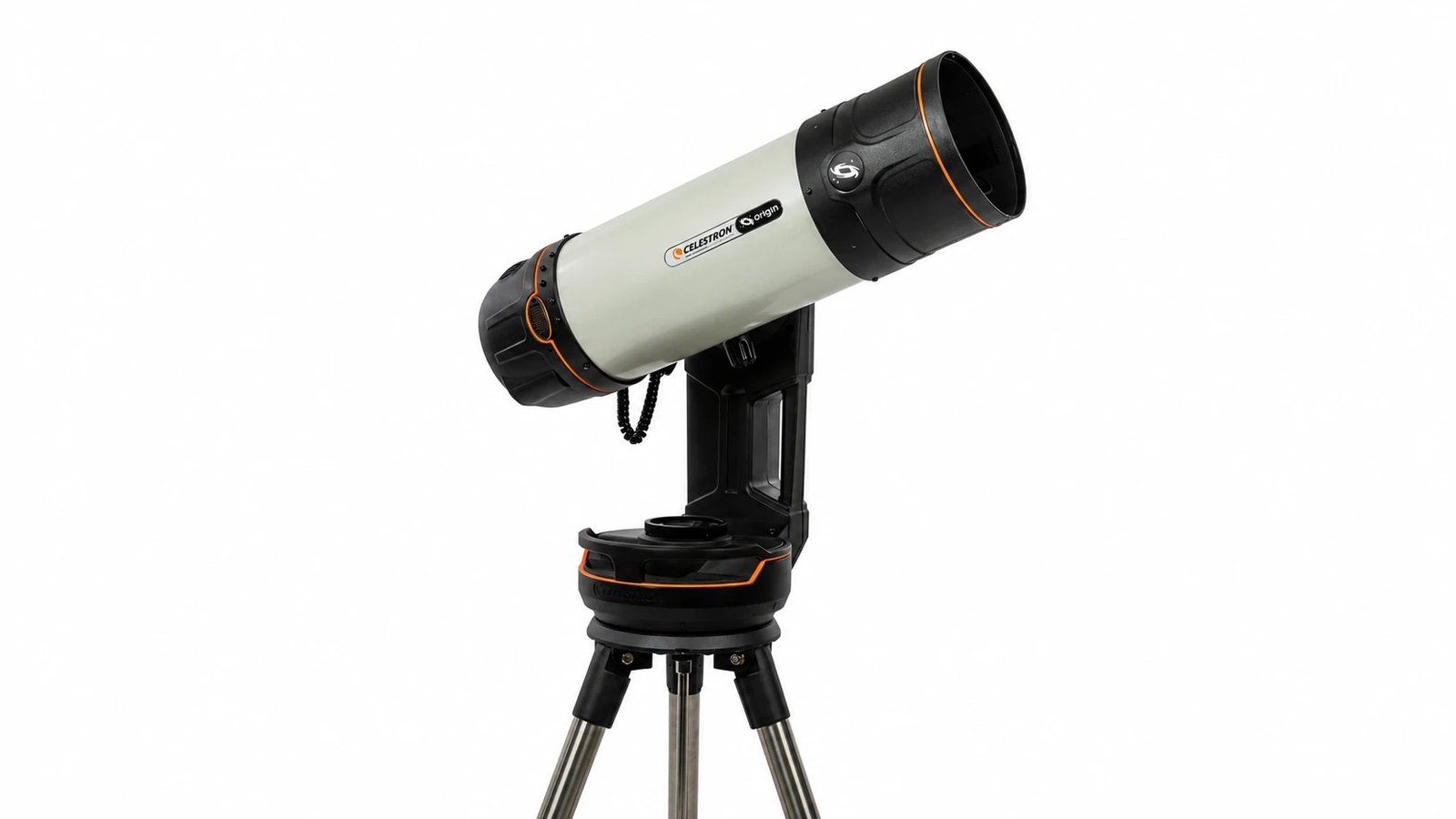
Credit: Celestron
Two of the Most-Consulted Premium Smart Telescopes
The Celestron Origin Mark II and the Unistellar Odyssey Pro sit at the top of the smart telescope market, and they're two of the models we get asked about most by readers trying to decide between them. Both are serious, expensive instruments aimed at buyers who've moved past entry-level smart telescopes — which makes the choice between them genuinely difficult rather than obvious. This comparison is built specifically for that decision.
A note on how this comparison was researched: ORIVON has covered the Celestron Origin Mark II extensively — full specifications, published reviews and buyer sentiment — in our dedicated Origin Mark II review. The analysis of the Unistellar Odyssey Pro in this piece draws on the manufacturer's published specifications and independent reviews, cross-referenced against that same research to keep both sides of the comparison consistent.
Technical Specifications
| Celestron Origin Mark II | |
| Aperture | 152mm |
| Optical Design | Rowe-Ackermann Schmidt Astrograph (RASA) |
| Focal Ratio | f/2.2 |
| Focal Length | 335mm |
| Sensor | Sony IMX678 |
| Price | Approximately $4,299 USD |
| Unistellar Odyssey Pro | |
| Aperture | 85mm |
| Focal Ratio | f/3.9 |
| Focal Length | 320mm |
| Field of View | 33.6 × 45 arcmin |
| Limiting Magnitude | 17.2 |
| Battery Life | Approximately 5 hours |
| Onboard Storage | Approximately 64GB |
| Price | $4,599 USD (official Unistellar store, checked August 27, 2026) |
| Spec | Origin Mark II | Odyssey Pro |
|---|---|---|
| Aperture | 152mm | 85mm |
| Focal Ratio | f/2.2 | f/3.9 |
| Focal Length | 335mm | 320mm |
| Eyepiece Included | No | Yes |
| Price | ~$4,299 | $4,599 |
Optics & Light Gathering
This is the most structural difference between the two, and it isn't a matter of opinion: the Origin Mark II's 152mm aperture is nearly double the Odyssey Pro's 85mm, and its f/2.2 optical system is substantially faster than the Odyssey Pro's f/3.9. Between a larger light-collecting surface and a faster focal ratio, the Origin gathers meaningfully more light per unit of exposure time — see why aperture matters more than magnification for the underlying principle. In practice, that translates to shorter integration times to reach a usable signal-to-noise ratio on the same faint target — the Origin gets there faster, independent of either telescope's software or processing.
Ecosystem & Ease of Use
Where the Odyssey Pro claws back ground is inclusion: it ships with an eyepiece, which means it supports traditional, look-through-the-telescope viewing in addition to app-based imaging. The Origin Mark II has no eyepiece at all — every session happens through its companion app, by design. For a buyer who still wants the option of putting an eye to the telescope, the Odyssey Pro offers an experience the Origin simply doesn't provide.
Who Each One Is For
The Origin Mark II makes the most sense for someone prioritizing deep-sky depth and detail above everything else, and who is genuinely fine giving up the eyepiece entirely in exchange for more aperture and a faster optical system. The Odyssey Pro is the better fit for someone who wants a smart telescope that's still portable, and who values keeping the traditional visual observing experience alongside imaging capability, rather than replacing it outright.
Frequently Asked Questions
Only the Odyssey Pro — it ships with an eyepiece. The Origin Mark II has no eyepiece and is designed entirely around app-based viewing and imaging.
The Origin Mark II, structurally — its larger aperture and faster f/2.2 optical system gather more light per unit of time than the Odyssey Pro's f/3.9 system.
No — this comparison is built from each manufacturer's published specifications and independent reviews of both telescopes, compared side by side rather than tested directly by ORIVON.