Widefield vs. Deep Sky Imaging: Where to Start
This article contains affiliate links. If you buy through them, ORIVON may earn a commission at no extra cost to you.
Credit: NASA
Two Genuinely Different Hobbies
"Astrophotography" covers two approaches that share a name but differ enormously in equipment, targets and skill demands. Picking the wrong one to start with — usually deep sky imaging, because it looks more impressive in finished photos — is one of the more common ways beginners get discouraged early. Understanding the actual difference up front makes the choice obvious.
Widefield Imaging
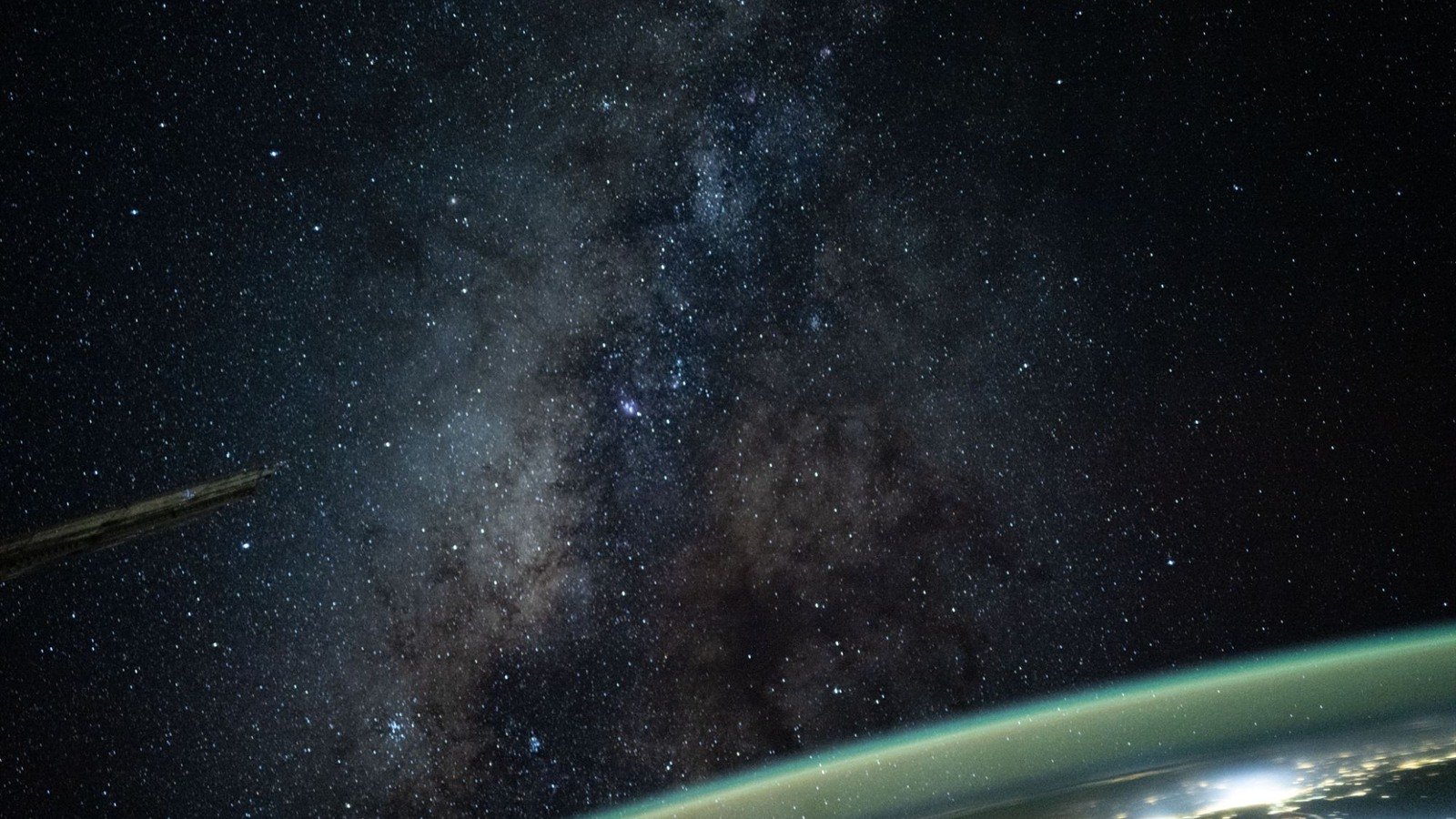
Widefield imaging uses a camera and a standard or wide-angle lens, mounted on a portable star tracker, to capture large sections of sky — the Milky Way's band, a nightscape with a foreground, or a loose cluster of constellations. The entry cost is low: a camera you likely already own plus a tracker in the $300–$400 range covers it, and a single night can produce a complete, satisfying image. It's forgiving of imperfect polar alignment and doesn't require a telescope at all.
Deep Sky Imaging
Deep sky imaging points a telescope, or a long telephoto lens, at a single faint target — a specific nebula, galaxy or cluster — to reveal detail invisible to the naked eye. It demands significantly more from every part of the chain: a telescope or long lens, a more precise equatorial mount, accurate polar alignment, calibration frames, and hours of total integration time per target rather than minutes. The results, once you have them, resolve genuine structure a widefield shot never will — but the path there has considerably more failure points.
Which One Fits Where You're Starting From
If the goal is a beautiful Milky Way shot over a landscape, or a first taste of tracked astrophotography without a big investment, widefield is the correct and complete starting point — not a lesser version of "real" astrophotography. If the draw is specifically resolving a nebula or galaxy's internal structure, deep sky imaging is unavoidable, but it's worth budgeting for the learning curve as much as the gear: polar alignment, calibration and stacking all need to click before the results start looking like the photos that inspired the hobby in the first place.
Many imagers move through both in sequence — a season of widefield work builds tracking and processing fundamentals that transfer directly once a telescope and guiding setup enter the picture.
Quick Comparison
| Equipment | Camera + lens + tracker vs. telescope + mount + guiding |
| Typical Targets | Milky Way, nightscapes vs. specific nebulae, galaxies, clusters |
| Entry Cost | ~$300–400 vs. $1,000+ |
| Time to First Result | One night vs. several sessions of setup and calibration |
Frequently Asked Questions
To a degree — a long telephoto lens (300mm+) on a tracker can capture larger, brighter targets like the Andromeda Galaxy, but it's still functioning as a deep sky imaging setup at that point, with the calibration and integration-time demands that come with it.
No — the tracking, framing and processing skills built in widefield imaging transfer directly to deep sky work later. It's a genuine skill-building step, not a detour.