How to Photograph the Orion Nebula
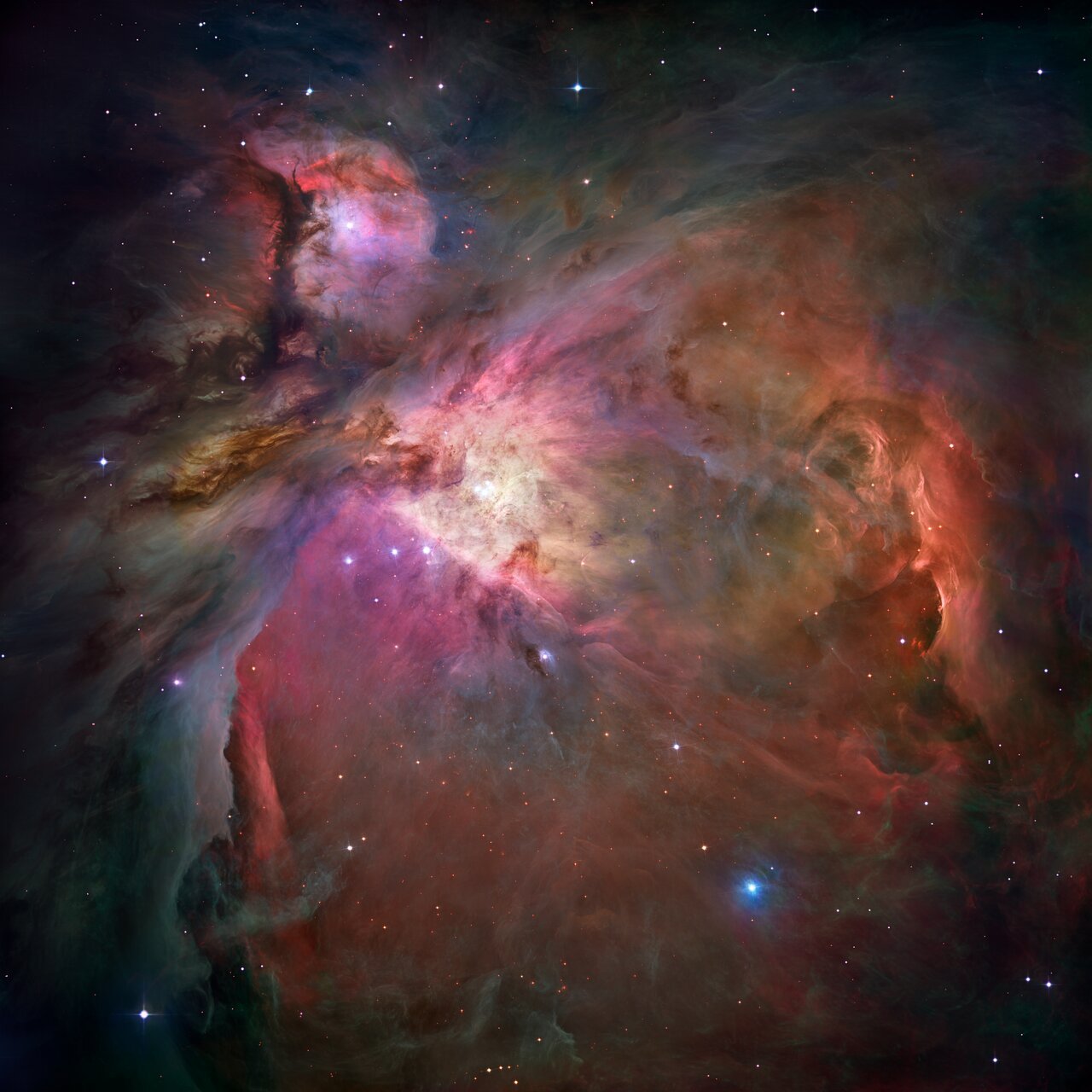
Bright, large and well-placed in the winter sky, the Orion Nebula is the target most imagers point at first.
Credit: NASA, ESA, M. Robberto (Space Telescope Science Institute/ESA) and the Hubble Space Telescope Orion Treasury Project Team
Why Orion Is the Standard First Target
The Orion Nebula (M42) is bright enough to see with the naked eye as the fuzzy "star" in Orion's sword, and bright enough that it rewards a camera almost immediately — even a short exposure with modest gear returns a recognizable result, which is rare for deep-sky imaging. That combination of brightness, size and easy visual location makes it the target reviewers and imaging communities most consistently recommend for a first attempt.
What You Actually Need to Start
A DSLR or mirrorless camera with a manual mode, mounted on a basic star tracker, is enough to produce a genuine first image of Orion. A telescope isn't required for a first attempt — a camera lens in the 135mm–300mm range already frames the nebula and its surrounding structure reasonably well. Tracking is the one non-negotiable: without it, exposures longer than about 15–20 seconds start showing star trails.
Exposure Basics for This Target
Orion's core is bright enough to blow out highlights quickly, while the surrounding faint nebulosity needs much longer exposure to register — a real tension unique to this target. Many imagers shoot a range of exposure lengths (a mix of shorter and longer frames) and blend them in processing to preserve both the bright core detail and the faint outer glow, a technique commonly called high dynamic range (HDR) blending. For a first attempt, a consistent set of moderate exposures (roughly 30–60 seconds each, repeated many times) is a simpler and perfectly reasonable starting point.
Framing and Timing
Orion is a Northern Hemisphere winter target, well-placed in the evening sky from roughly December through March — worth noting since it isn't available year-round the way targets closer to the celestial pole are. Frame loosely rather than tightly; the nebula extends well beyond its visually brightest core, and a wider frame captures more of the surrounding structure that later processing can bring out.
From Single Frames to a Finished Image
A single exposure of Orion will look noisy and flat compared to published images — the difference comes from stacking dozens of individual frames together to boost signal and suppress noise, then stretching and processing the result. This is the same stacking process covered in our deep sky stacking guide, and Orion's brightness makes it a forgiving target to practice that workflow on before attempting fainter objects.
Frequently Asked Questions
No — a camera lens on a tracking mount is enough for a first attempt, and its size and brightness make it forgiving even with modest equipment.
Orion's core is genuinely much brighter than its outer nebulosity, so a single exposure length struggles to capture both well. Blending a shorter and longer exposure set is the common fix.