
A Beginner's Guide to Deep Sky Stacking
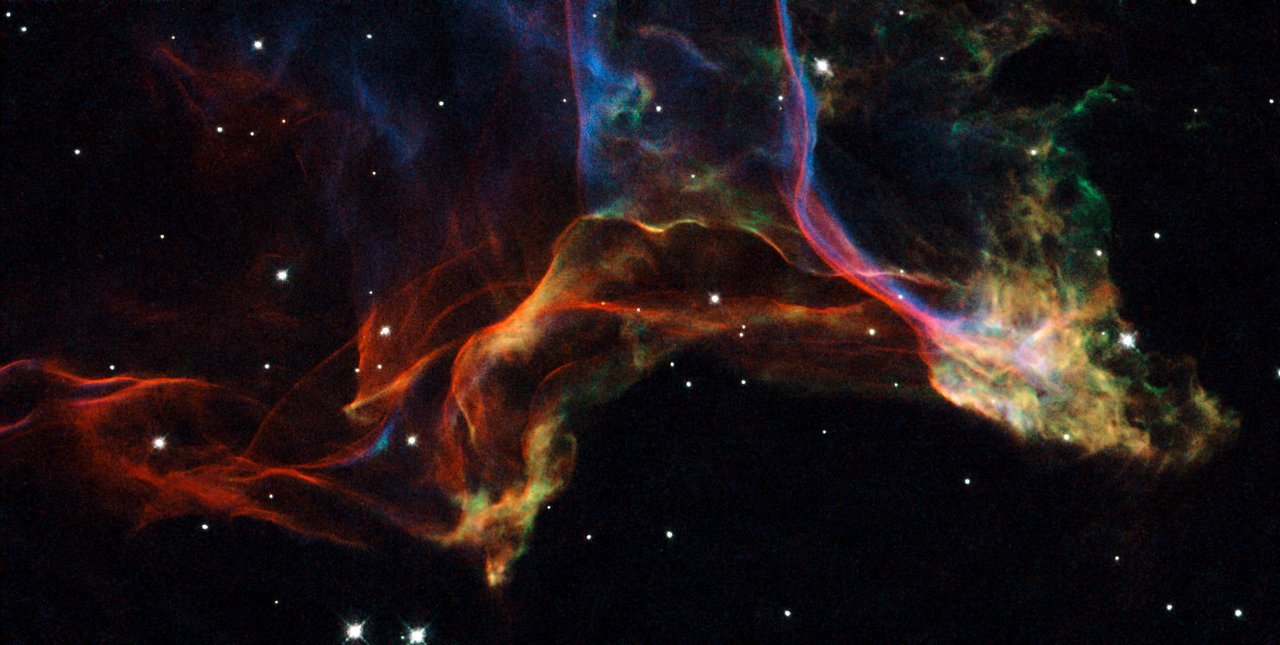
Credit: NASA, ESA, Hubble Heritage Team
Why a Single Exposure Is Never Enough
A single frame of a deep-sky object is inherently noisy — sensor noise, faint signal and short exposure times combine to produce a grainy, low-detail result no matter how good the equipment. Stacking solves this by combining many individual exposures of the same target into one integrated image, where the actual signal reinforces itself while random noise cancels out. It's the single technique that separates a flat, grainy frame from a clean, detailed final image.
The Core Idea: Signal Adds, Noise Averages Out
Because the nebula, galaxy or cluster you're photographing stays in the same place across frames, but sensor noise is essentially random from frame to frame, combining many exposures reinforces the real signal while the noise partially cancels itself out. Roughly speaking, doubling the number of stacked frames improves the signal-to-noise ratio, though with diminishing returns — going from 10 to 20 frames helps more than going from 100 to 110.
The Basic Workflow
- Capture "light" frames — the actual exposures of your target, ideally dozens or more
- Capture calibration frames — dark frames (same exposure length, lens capped, to record sensor noise patterns), flat frames (an evenly lit blank frame to correct vignetting and dust spots), and bias frames (the shortest possible exposure, to record baseline sensor noise)
- Register — stacking software aligns every frame to a common reference point, correcting for any drift between exposures
- Integrate — the aligned frames are combined using the calibration data to cancel out noise and sensor artifacts, producing one clean output frame
That integrated frame is still not the finished image — it typically looks flat and dim — but it's the clean foundation that post-processing stretches and adjusts into a finished result.
What You Need to Start
A tracking mount is the prerequisite that makes meaningful stacking possible; without one, individual exposures are too short and star trails prevent clean alignment across frames. Beyond that, free software like Siril handles the technical steps — registration, calibration and integration — without requiring a paid tool for a first attempt.
Common Beginner Mistakes
- Skipping calibration frames entirely, which leaves sensor noise patterns and vignetting baked into the final stack
- Stacking too few frames and expecting results comparable to published images shot with far more total integration time
- Mixing frames from wildly different sky conditions (passing clouds, changing light pollution) into the same stack
Frequently Asked Questions
There's no fixed number — more is generally better, but even 20–30 reasonably exposed frames produce a noticeably cleaner result than a handful. Total integration time matters more than frame count alone.
They're not strictly required to produce an image, but skipping them leaves visible noise patterns, hot pixels and vignetting in the result that calibration would otherwise remove.