Imaging the Moon: A Different Kind of Discipline
This article contains affiliate links. If you buy through them, ORIVON may earn a commission at no extra cost to you.
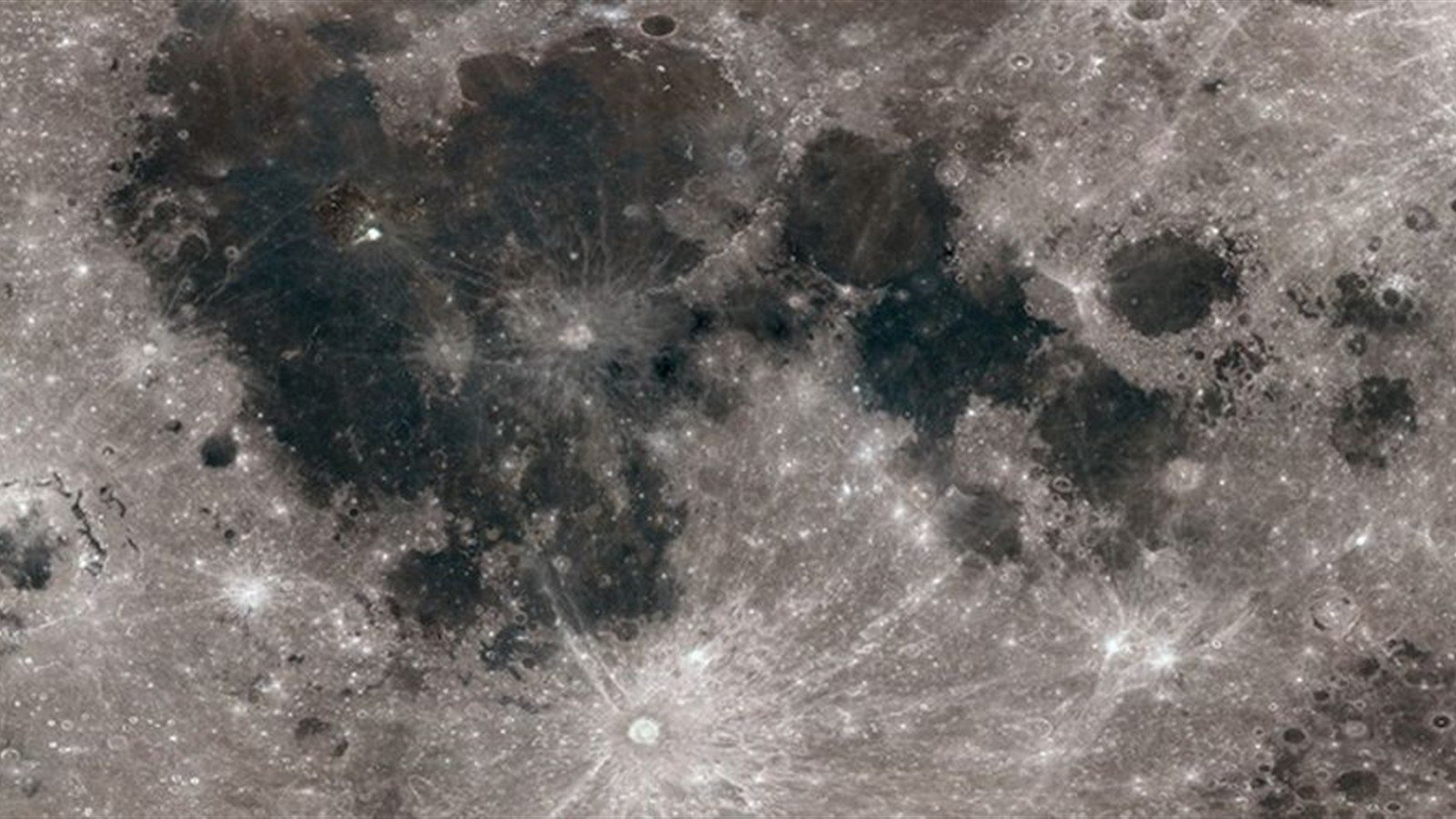
Credit: NASA
Why the Moon Breaks the Usual Rules
Every technique built up for deep sky imaging — long exposures, dozens of stacked frames, dark-sky timing — gets inverted when the target is the Moon. It's the brightest object in the night sky by a huge margin, close enough that atmospheric turbulence, not signal strength, becomes the limiting factor. That single difference changes the entire workflow, from capture through processing.
Lucky Imaging, Explained
Because the Moon is so bright, exposures are measured in milliseconds, not minutes — which makes it possible to capture video rather than individual still frames. "Lucky imaging" exploits this: record a short video of several thousand frames, then keep only the sharpest percentage of them, the ones captured during brief moments of steady atmosphere. Discarding the blurry majority and stacking only the best frames produces a final result sharper than any single frame in the sequence, and sharper than a conventional long exposure ever could.
The Workflow, Step by Step
- Capture a video (not stills) of the target region using a planetary camera or a DSLR/mirrorless in video mode
- Run the video through stacking software, which analyzes sharpness frame-by-frame and discards the weakest portion
- Align and stack the retained best frames into a single, high-detail composite
- Sharpen and process the stacked result — wavelet sharpening is standard here, pulling out crater rims and mare boundaries
Software Built for This
AutoStakkert handles the frame analysis and stacking stage, automatically ranking and combining the sharpest frames from a video. RegiStax is the long-standing tool for the wavelet sharpening pass afterward, though newer versions of AutoStakkert and other tools have absorbed some of that functionality too. Both are free, and between them cover the full lunar (and planetary) lucky-imaging pipeline.
What Gear Actually Matters Here
Aperture and mount tracking accuracy matter less for the Moon than for deep sky targets — it's bright enough that even a modest telescope gathers plenty of light, and exposures are too short for tracking error to show up as trailing. A dedicated planetary camera with a fast frame rate is a bigger upgrade than a larger aperture at this stage, since more frames per second means more raw material for the "lucky" selection process to work with.
Frequently Asked Questions
Yes — most DSLRs and mirrorless cameras can record video through a telescope with the right adapter, which is all lucky imaging actually requires. A dedicated planetary camera is a later upgrade, not a starting requirement.
No — the Moon is bright enough to image from a light-polluted backyard or even a city balcony. Light pollution is irrelevant to a target this bright.